Knee Pain Relief Without Medication: What Actually Works
Knee Pain Relief Without Medication: What Actually Works Knee pain is a common issue that affects people of all ages, often making everyday tasks—like walking, climbing stairs, or exercising—painful and challenging.
Explore Knee and foot pain therapy and how Good Bowen Therapy approaches the underlying cause.
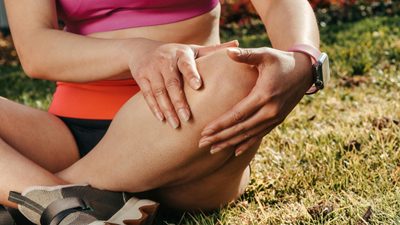
Knee Pain Relief Without Medication: What Actually Works
Knee pain is a common issue that affects people of all ages, often making everyday tasks—like walking, climbing stairs, or exercising—painful and challenging. While medication can offer short-term relief, many people prefer natural, long-lasting solutions that do not rely on drugs. Fortunately, there are several proven, non-medication treatments that can significantly reduce knee pain, improve mobility, and enhance overall joint health. In this article, we explore what actually works to relieve knee pain without medication, based on research-backed strategies and practical methods you can start using today.
Why Consider Knee Pain Relief Without Medication?
The Limitations of Painkillers
Over-the-counter pain medications like NSAIDs may help temporarily, but they do not address the root cause of knee pain. Long-term use can also lead to side effects such as stomach issues, increased bleeding risk, and liver or kidney problems. For chronic knee pain sufferers, relying solely on medication is rarely sustainable.
Benefits of Non-Medication Approaches
Natural pain relief methods focus on: – Reducing inflammation – Improving joint function – Strengthening supportive muscles – Enhancing mobility – Preventing future pain
These strategies provide long-term benefits and support overall health without unwanted side effects.
Knee Pain Relief Without Medication: What Actually Works *
1. Strengthening Exercises to Support the Knee Joint
Why Strength Matters
One of the most effective ways to relieve knee pain naturally is strengthening the muscles that support the joint. Weak quadriceps, hamstrings, hip muscles, and calves can increase pressure on the knee, causing pain and instability.
Effective Strengthening Exercises
Try incorporating these exercises into your routine: – Straight leg raises to strengthen the quads without bending the knee – Glute bridges to activate the hips and glutes – Mini-squats to build functional strength – Step-ups to train stability and control
Consistent strengthening can reduce knee pain dramatically within a few weeks.
2. Stretching to Improve Flexibility and Reduce Tension
How Tight Muscles Affect Knee Pain
Tight muscles pull the knee joint out of alignment and create additional pressure. The hamstrings, hip flexors, calf muscles, and quadriceps all play a role in how the knee moves.
Key Stretches to Relieve Tension
– Hamstring stretch for reduced back-of-knee tension – Quadriceps stretch for improved knee mobility – Calf stretch to support better walking mechanics – Hip flexor stretch to reduce pressure on the lower body
Daily stretching can greatly improve joint mobility and reduce stiffness.
3. Using Heat and Cold Therapy for Natural Relief
When to Use Ice
Ice helps reduce swelling and numb sharp pain. Use it after physical activity or when you experience inflammation or acute discomfort.
When to Use Heat
Heat increases blood flow, relaxes tight muscles, and improves stiffness—especially in cases of arthritis or morning knee pain. Warm compresses, heating pads, or warm baths work well.
4. Low-Impact Exercise to Stay Active Without Stressing the Knee
Why Low-Impact Movement Helps
Staying active is essential for knee health. Low-impact exercises help improve joint function, increase flexibility, and boost circulation without adding stress.
Best Low-Impact Activities
– Swimming for full-body conditioning – Cycling to strengthen the legs with minimal joint impact – Walking to maintain mobility and regulate weight – Yoga or Pilates for flexibility and core stability
These activities keep the knee joint moving safely and effectively.
5. Improving Body Mechanics and Posture
How Movement Patterns Affect Knee Pain
Many people develop knee pain because of improper posture, gait, or movement habits. Poor alignment places extra strain on the joint and surrounding muscles.
Simple Ways to Improve Biomechanics
– Keep knees aligned with the toes during movement – Avoid locking your knees when standing – Engage your core during daily activities – Use proper form when lifting or bending Improving alignment can significantly reduce discomfort over time.
6. Using Knee Braces, Sleeves, or Support Devices
How Braces Reduce Pain
Knee braces and compression sleeves offer gentle support, improve circulation, and reduce swelling. They can also help stabilize the joint for people with arthritis, ligament issues, or general weakness.
When to Use Supportive Devices
– During exercise – When standing for long periods – After an injury – For added confidence in movement These devices are not a cure, but they provide helpful support while you work on strengthening your knee.
7. Weight Management for Reduced Pressure on the Knee
The Impact of Extra Weight
Every additional pound of body weight adds roughly four pounds of pressure to your knees during daily activities. This increased pressure can worsen arthritis symptoms and accelerate cartilage wear.
Small Changes Make a Big Difference
Even losing 5–10% of body weight has been shown to significantly decrease knee pain. Combining healthy nutrition with low-impact exercise is the most effective approach.
8. Anti-Inflammatory Foods That Support Joint Health
Reduce Pain from the Inside Out
Diet plays a major role in inflammation levels. Eating the right foods can reduce swelling, improve mobility, and support healing.
Top Anti-Inflammatory Foods
– Fatty fish like salmon – Olive oil – Berries – Leafy greens – Turmeric and ginger – Nuts and seeds
Avoiding processed foods, excessive sugar, and alcohol can also help reduce inflammation naturally.
9. Gentle Massage and Soft Tissue Work
Why Massage Helps
Massage increases circulation, reduces muscle tension, and improves flexibility. It’s especially useful for pain caused by tight muscles or overuse.
Techniques You Can Try at Home
– Using a foam roller – Applying gentle pressure around the knee – Massaging the quadriceps and hamstrings – Trying a massage ball for targeted relief
Massaging surrounding muscles often relieves more pain than massaging the knee itself.
10. Natural Supplements for Joint Support
Supplements That May Reduce Knee Pain
Certain natural supplements can support joint health by reducing inflammation and strengthening cartilage. Popular options include: – Glucosamine – Chondroitin – Omega-3 fatty acids – Turmeric (curcumin) – Collagen peptides
Consult a Professional Before Starting
While these supplements can help, it’s important to speak with a healthcare provider—especially if you take other medications or have existing medical conditions.
Conclusion
Finding knee pain relief without medication is not only possible but highly effective. By combining natural strategies such as strengthening exercises, stretching, low-impact movement, proper posture, weight management, diet changes, and supportive therapies, you can significantly reduce pain and improve long-term joint health. These methods treat the root causes of knee pain rather than masking symptoms, making them ideal for lasting relief.
If your knee pain persists or worsens, consider consulting a physical therapist or healthcare provider to identify underlying issues and develop a personalized treatment plan.
PAIN THERAPY AT GOOD BOWEN
Established more than 13 years ago, Good Bowen Therapy is the solution to your musculoskeletal pains.