Top 10 Proven Ways to Manage Knee Pain at Home
Top 10 Proven Ways to Manage Knee Pain at Home Knee pain is one of the most common issues affecting adults of all ages.
Explore Knee and foot pain therapy and how Good Bowen Therapy approaches the underlying cause.
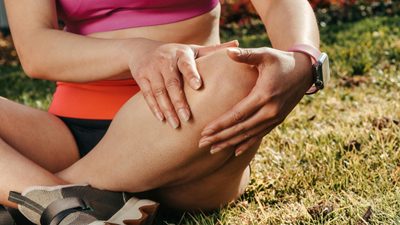
Top 10 Proven Ways to Manage Knee Pain at Home
Knee pain is one of the most common issues affecting adults of all ages. Whether caused by overuse, arthritis, injury, or general wear and tear, knee discomfort can interfere with daily activities and reduce your quality of life. The good news is that many effective strategies for managing knee pain can be done right at home without expensive treatments. Below are the top 10 proven, science-backed ways to relieve and manage knee pain naturally, and improve mobility and overall joint health.
1. Apply Ice and Heat for Targeted Relief
When to Use Ice
Ice therapy is ideal for reducing swelling, inflammation, and sharp pain—especially after physical activity. Applying a cold pack for 15–20 minutes can help numb the area and control acute flare-ups. It’s particularly useful for sprains, strains, and injuries that cause swelling.
When to Use Heat
Top 10 Proven Ways to Manage Knee Pain at Home *
Heat helps increase blood flow, relax tight muscles, and improve joint flexibility. Warm compresses, heating pads, or warm showers can soothe stiff joints, especially in the morning or after periods of inactivity. Heat is best used for chronic pain rather than fresh injuries.
2. Strengthen the Muscles Around Your Knee
Why Strengthening Matters
Weak muscles—especially in the quadriceps, hamstrings, glutes, and calves—place extra strain on the knee joint. Strength-building exercises help stabilize the knee, improve shock absorption, and support proper movement.
Effective Strengthening Exercises
– Straight leg raises – Mini squats – Step-ups – Glute bridges – Wall sits
Performing these exercises 3–4 times per week can greatly reduce knee pain over time.
3. Stretch Daily to Improve Flexibility
How Stretching Helps Knee Pain
Tight muscles can pull on the knee joint, leading to discomfort, poor movement patterns, and increased stress on the cartilage. Stretching helps maintain flexibility, improve mobility, and reduce inflammation caused by tension.
Recommended Stretches
– Hamstring stretch – Calf stretch – Quadriceps stretch – IT band stretch
Consistency is key—just 10 minutes of stretching per day can make a noticeable difference.
4. Maintain a Healthy Weight to Reduce Pressure on the Knees
The Weight-Knee Pain Connection
Every extra pound of body weight puts approximately four pounds of additional pressure on the knees during daily activities. This can worsen arthritis, accelerate cartilage breakdown, and increase inflammation.
Small Changes Make a Big Difference
Even modest weight loss—5 to 10% of your body weight—has been shown to significantly reduce knee pain and improve mobility. Combining healthy eating with low-impact exercise is the most effective approach.
5. Choose Low-Impact Exercises to Stay Active
Why Low-Impact Movement Helps
High-impact activities like running or jumping can irritate sensitive knees. Low-impact exercises allow you to build strength, maintain cardiovascular health, and improve joint function without causing stress.
Best Low-Impact Exercises
– Walking – Swimming – Cycling – Elliptical workouts – Pilates or yoga
Aim for at least 20–30 minutes of low-impact exercise most days of the week.
6. Try Over-the-Counter Pain Relief Options
Medications That Help
For many people, over-the-counter medications can effectively reduce inflammation and pain. Options include: – Ibuprofen – Naproxen – Acetaminophen
Always follow dosage instructions and talk to a healthcare provider if you’re taking other medications or have health concerns.
Topical Treatments
Topical gels and creams—such as those containing menthol, capsaicin, or diclofenac—can provide targeted relief without systemic side effects.
7. Use a Knee Brace or Support
Benefits of Wearing a Brace
A knee brace can help stabilize the joint, reduce pressure on the affected area, and improve alignment. This is especially helpful for people with arthritis, patellar tracking issues, or mild ligament injuries.
Types of Knee Supports
– Compression sleeves – Hinged braces – Patellar straps – Wrap-around braces
Choose a brace based on your specific symptoms and comfort level.
8. Practice Proper Posture and Body Mechanics
How Posture Affects Knee Pain
Poor posture and incorrect movement patterns can put unnecessary stress on the knees. This includes walking with improper alignment, standing with locked knees, or lifting objects incorrectly.
Simple Posture Tips
– Keep your knees slightly bent when standing – Avoid twisting your knees during movement – Maintain proper hip-knee-ankle alignment when walking – Bend at the hips—not the knees—when lifting
Correcting posture can significantly reduce daily knee discomfort.
9. Incorporate Anti-Inflammatory Foods Into Your Diet
Foods That Reduce Inflammation
Your diet plays an important role in managing chronic knee pain, especially if inflammation is a contributing factor. Anti-inflammatory foods help reduce swelling and support healing from within.
Top Inflammation-Fighting Foods
– Fatty fish (salmon, sardines) – Leafy greens – Berries – Olive oil – Turmeric and ginger – Nuts and seeds
Reducing processed foods and sugar can also help lower inflammation levels in the body.
10. Try Gentle Home Remedies and Natural Supplements
Natural Home Remedies
Certain home remedies can offer soothing relief from knee pain, including: – Warm Epsom salt baths – Gentle massage – Elevating the legs – Using essential oils like peppermint or eucalyptus
These methods help ease tension, reduce swelling, and promote relaxation.
Helpful Supplements
Some supplements may support joint health and reduce inflammation. Popular options include: – Glucosamine – Chondroitin – Omega-3 fatty acids – Collagen peptides – Turmeric (curcumin)
Always consult a healthcare professional before starting new supplements.
Conclusion
Managing knee pain at home is possible with the right combination of lifestyle changes, targeted exercises, natural remedies, and supportive tools. By incorporating these top 10 proven strategies, you can reduce discomfort, improve mobility, and take control of your knee health without relying solely on medical interventions. Remember that consistency is key, and small changes made daily can lead to long-term relief.
If knee pain persists or worsens, consult a healthcare provider or physical therapist to identify underlying issues and personalize your treatment plan.
PAIN THERAPY AT GOOD BOWEN
Established more than 13 years ago, Good Bowen Therapy is the solution to your musculoskeletal pains.