

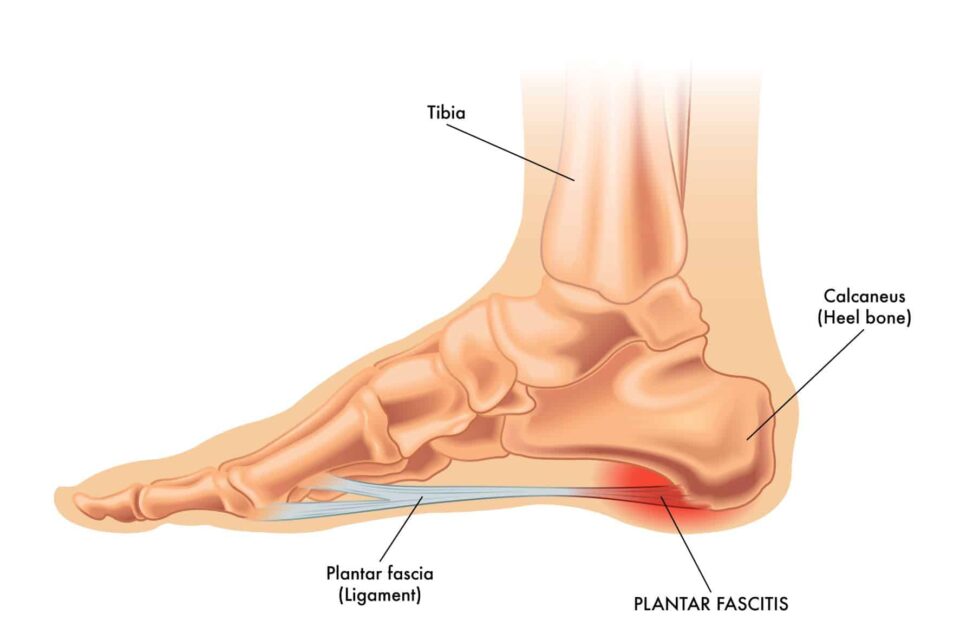
Foot pain can be frustrating, especially when it becomes a daily problem. While some causes of foot pain are well-known—like plantar fasciitis or flat feet—many people overlook the smaller, everyday habits and hidden factors that contribute to chronic discomfort. If you’ve been wondering why your feet hurt even when you haven’t suffered an injury, this comprehensive guide will help you discover the most overlooked reasons your feet ache every day, along with practical solutions to relieve and prevent pain.
Not all shoes are created equal. Many popular sneaker and fashion brands lack true arch support, which can cause your feet to work harder with every step. This leads to fatigue, soreness, and long-term discomfort.
Even supportive shoes lose cushioning and structure over time. If the soles are uneven, soft, or visibly compressed, you’re likely absorbing more shock than your shoes are—leading to chronic pain.
Shoes with flat, thin soles provide almost no support. Wearing flip-flops or minimalist shoes for extended periods can strain the plantar fascia, calf muscles, and metatarsals.
Jobs that require standing for hours—such as retail, healthcare, education, or food service—put extreme stress on the feet. Even if you aren’t walking much, the constant pressure reduces circulation and weakens foot muscles.
Concrete and tile floors provide no shock absorption. Over time, they can cause heel pain, arch fatigue, and soreness in the balls of the feet.
Many people don’t realize their gait is contributing to their foot pain. – **Overpronation** (ankles rolling inward) increases strain on the arches. – **Supination** (ankles rolling outward) puts pressure on the outer foot.
Both disrupt alignment and can lead to daily aches.
Landing heavily on the heels while walking or running can cause repeated stress on the heel bone and plantar fascia.
Your feet contain tiny stabilizing muscles that support the arch and help with balance. When these muscles weaken—often from wearing cushioned shoes all the time—the larger muscles must compensate, creating pain.
Tight ankles can force the foot to roll inward or outward during movement, contributing to chronic foot discomfort.
Tight calf muscles pull on the heel bone, increasing tension in the plantar fascia. This can cause heel and arch pain, especially in the morning.
Tight hamstrings and hips alter lower-body mechanics, indirectly increasing foot strain.
The feet support your entire body weight. Even a small increase in weight significantly increases the force placed on the feet with every step.
Excess weight contributes to inflammation in foot tissues, which can worsen conditions like plantar fasciitis and tendonitis.
Stress causes the body to tighten muscles, including those in the legs and feet. This tension can lead to soreness, stiffness, or even cramping.
Many people unconsciously grip their toes when anxious, which strains the forefoot muscles and tendons.
When you sit for hours, blood flow to the feet decreases. This can cause stiffness, tingling, or pain once you stand and walk again.
Compression around the ankle or foot can restrict circulation and cause chronic discomfort, especially in individuals with vascular issues.
As you age, the natural fat pads on the bottom of your feet thin out, reducing shock absorption and increasing sensitivity.
Arthritic changes can begin subtly, causing stiffness that leads to uneven pressure distribution and daily foot pain.
Conditions like peripheral neuropathy cause burning, tingling, or stabbing foot pain—often mistaken for typical foot fatigue.
Many adults don’t realize they have structural foot issues. Both extremes—flat feet and high arches—can contribute to chronic pain when untreated.
Low levels of Vitamin D, B12, or magnesium can cause muscle pain, cramps, or nerve-related discomfort in the feet.
Sitting cross-legged or on your feet compresses nerves and changes alignment, leading to aches.
Tile, hardwood, and concrete floors put stress on the arch and heel when barefoot.
Neglecting stretching before or after exercise increases tension in the foot muscles and tendons.
Choose footwear with arch support, cushioning, and a firm heel counter. Avoid thin, flat shoes for long periods.
Custom or over-the-counter inserts can correct alignment issues and reduce pressure.
Focus on the calves, hamstrings, plantar fascia, and toes to reduce tension.
Exercises like towel scrunches, toe spreads, and calf raises help support the arch and improve mobility.
Alternate between sitting and standing to avoid prolonged pressure on your feet.
Even small weight reductions can significantly ease foot strain.
Ice sore areas for 10–15 minutes to reduce swelling and discomfort.
Seek professional care if your foot pain:
Lasts longer than two weeks
Interferes with daily activities
Is accompanied by swelling or numbness
Occurs after an injury
Becomes progressively worse
A podiatrist can evaluate your foot structure, gait, and symptoms to diagnose underlying causes.
Foot pain doesn’t always come from major injuries—often, it’s the overlooked daily habits and subtle issues that create chronic discomfort. By understanding these hidden causes and taking proactive steps, you can reduce pain, improve mobility, and keep your feet comfortable and healthy. With the right footwear, smart routines, and attention to your foot mechanics, you can prevent daily aches and enjoy pain-free movement once again.