

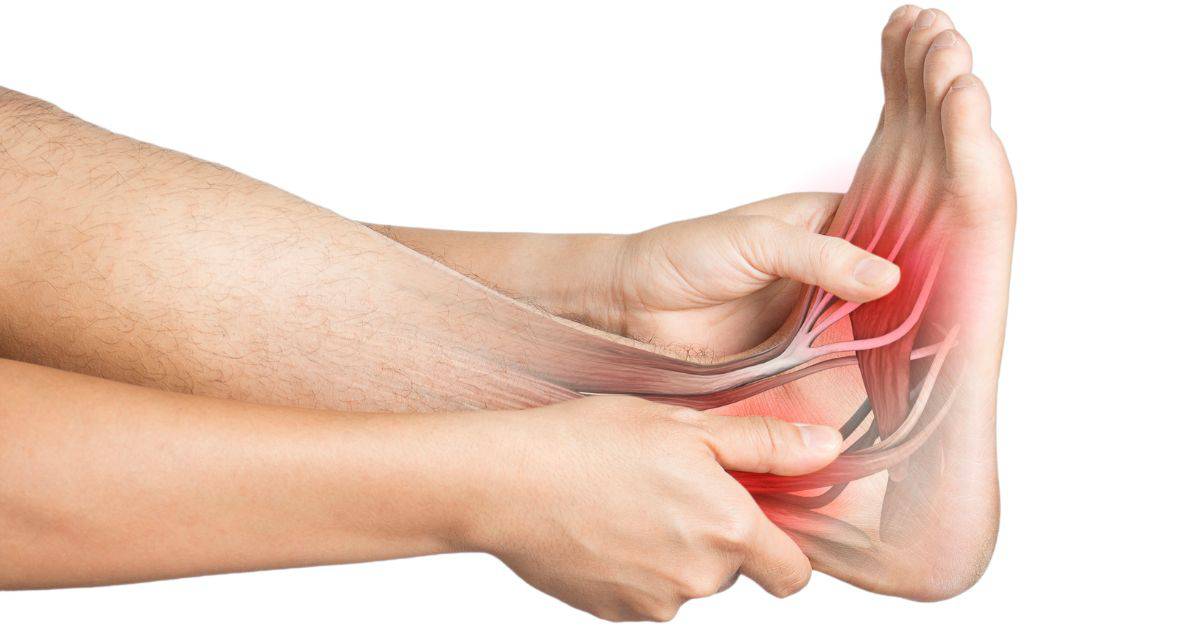
Waking up with foot pain is more common than you might think, and it can be both confusing and frustrating. For many, the pain is sharp, stiff, or aching and often occurs in the heel or arch. Morning foot pain is usually a signal that something is off with your foot mechanics, footwear, or muscle and tendon health. In this guide, we’ll explore why foot pain often strikes in the morning, what it may indicate, and practical ways to relieve and prevent it.
Plantar fasciitis is the leading cause of morning foot pain. The plantar fascia is a thick band of tissue that runs along the bottom of your foot from the heel to the toes. Overnight, this tissue tightens and contracts. When you first step out of bed, the sudden stretch causes sharp pain or a stabbing sensation in the heel.

Tight calf muscles and the Achilles tendon can also contribute to morning foot pain. While sleeping, the tendon shortens slightly. When you put weight on your foot in the morning, the sudden stretch can result in discomfort along the heel or arch.
During daily activities, tiny tears can occur in the ligaments and tendons of your foot. Overnight, the body works to repair these microtears, leading to inflammation that makes your foot sore in the morning.
Arthritic changes, especially in the toes and midfoot joints, can cause stiffness and pain after a night of rest. Reduced synovial fluid circulation during sleep contributes to morning discomfort.
Often described as stabbing pain, heel discomfort is typically most noticeable with the first few steps in the morning.
The arch may feel tender or fatigued after lying down, particularly in cases of plantar fasciitis or flat feet.
Some people notice stiffness in the toe joints or midfoot, which can make walking uncomfortable.
A hallmark sign of morning foot pain is that it tends to ease after a few minutes of walking or stretching.
– Sharp heel pain after getting out of bed – Pain after prolonged rest – Tenderness along the bottom of the foot
People with flat feet often experience morning soreness due to lack of natural arch support, which causes overstretching of ligaments and muscles.
Bony growths on the heel may develop over time, often alongside plantar fasciitis, causing additional pain when weight is applied.
Osteoarthritis or rheumatoid arthritis in the foot joints can create stiffness and ache, particularly in the morning after rest.
Reduced flexibility in the calf and Achilles tendon increases stress on the heel and arch during the first steps of the day.
Conditions like peripheral neuropathy may cause burning, tingling, or sharp pain, often more noticeable when the foot is at rest.
Gentle stretches before getting out of bed can prepare the foot for weight-bearing. Recommended stretches include: – Plantar fascia stretch by pulling your toes toward you – Calf stretches against a wall – Towel stretches for the arch
Wearing supportive shoes throughout the day reduces strain on the plantar fascia and arch. Key features include: – Cushioned soles – Arch support – Firm heel counter
Avoid flat or worn-out shoes, and reserve thin-soled shoes for short durations only.
Custom or over-the-counter orthotics can relieve stress on the plantar fascia and support the arch, reducing morning pain.
Foot and calf strengthening exercises improve stability and help prevent recurring pain: – Toe curls and towel scrunches – Calf raises – Short-foot exercises
Applying ice for 10–15 minutes and using NSAIDs as needed can reduce inflammation and relieve pain after long days or flare-ups.
A night splint keeps the foot in a dorsiflexed position while sleeping, gently stretching the plantar fascia and Achilles tendon to reduce morning pain.
Maintaining a healthy weight reduces pressure on the heel and arch, which helps prevent plantar fascia strain.
Consistent stretching of the calves, arches, and toes can prevent stiffness and soreness.
Even at home, supportive shoes or slippers can prevent strain from flat surfaces.
Regular foot exercises improve arches and overall stability, reducing the likelihood of pain.
Gradually increase exercise intensity to prevent overuse injuries and microtears in the plantar fascia.
Weight management, proper nutrition, and hydration all contribute to healthier tendons and ligaments in the feet.
Morning foot pain is usually manageable at home, but consult a podiatrist if you experience:
Pain lasting longer than two weeks
Severe heel pain that prevents walking
Swelling, redness, or warmth in the foot
Numbness or tingling
No improvement with stretching or supportive footwear
A professional evaluation can help rule out more serious conditions like fractures, nerve issues, or advanced arthritis.
Morning foot pain is often a warning signal from your body about stress, inflammation, or structural issues in your feet. By identifying the cause—whether plantar fasciitis, tight calves, flat feet, or arthritis—and taking proactive steps, you can relieve pain and prevent it from interfering with your day. Supportive shoes, stretching, orthotics, and strengthening exercises are key tools to combat discomfort. With consistent care, you can start each day pain-free and enjoy better long-term foot health.