

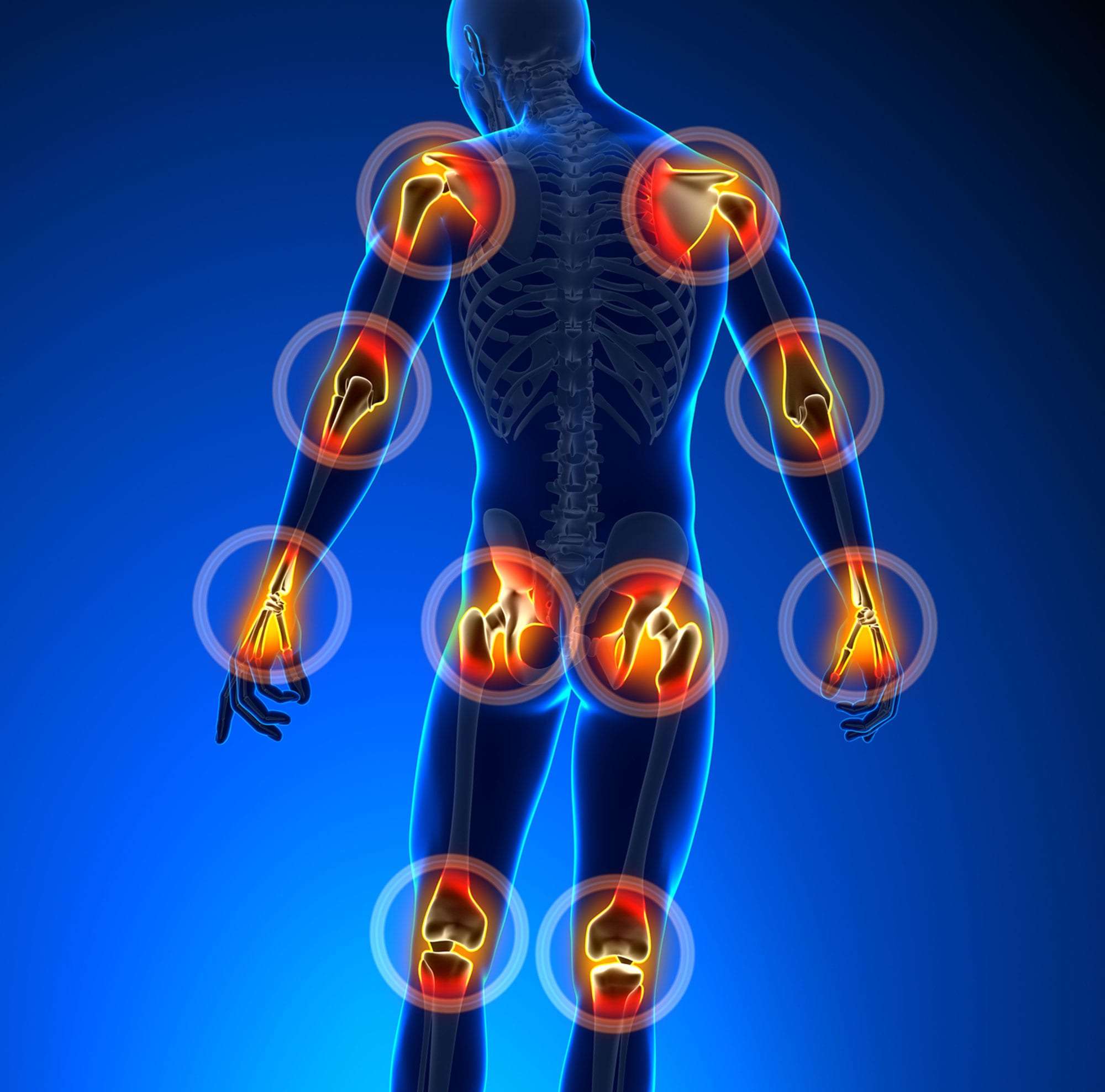
Joint pain is one of the most common signals the body uses to communicate that something may be off. It can appear suddenly or develop slowly over time, affecting daily comfort, movement, and overall quality of life. While joint pain is often associated with aging, it can affect people of all ages due to lifestyle habits, physical activity, growth, or underlying conditions. Understanding joint pain and what your body is trying to tell you can help you respond early and support long-term joint health. Joint Pain 101: What Your Body Is Trying to Tell You
Joint pain refers to discomfort, stiffness, soreness, or inflammation in the areas where bones connect. These joints allow movement and flexibility, making them essential for everyday actions such as walking, bending, lifting, and writing. Commonly affected joints include the knees, hips, shoulders, elbows, wrists, fingers, ankles, and spine.
Joint pain can range from mild and occasional to persistent and limiting. It may affect one joint or several at the same time. The way joint pain feels and when it occurs can offer helpful clues about its cause.
Joint pain does not happen without reason. It is often the body’s response to stress, strain, or changes within the joint itself.
Daily use places stress on joints, especially those that support body weight or repetitive motion. Over time, this wear can affect the cushioning cartilage inside the joint, leading to discomfort or stiffness during movement.
Sprains, strains, or impacts can damage ligaments, tendons, or surrounding tissues. Even small injuries can cause joint pain if the joint does not heal properly or is repeatedly stressed before recovery.
Inflammation is part of the body’s natural healing process, but ongoing inflammation can lead to joint pain and stiffness. Inflamed joints may feel warm, swollen, or tender, especially after rest.
Joint pain is not limited to adults. Teenagers and growing bodies may experience joint discomfort during growth spurts. As bones grow faster than muscles and tendons can adapt, joints may feel sore, especially during physical activity.
Joint pain often comes with additional signals that should not be ignored. Recognizing these signs early can help prevent further discomfort.
If joints feel stiff after waking up or sitting for long periods, it may be a sign that movement and flexibility need attention. Mild stiffness that improves with gentle movement is common, but frequent stiffness may indicate joint stress.
Swelling around a joint can signal irritation or inflammation. Tenderness when touching or moving the joint is another sign that the area may need rest or support.
Difficulty bending, straightening, or rotating a joint can interfere with daily tasks. Limited range of motion is a clear sign that the joint is under strain.
Joint pain that worsens during physical activity or appears afterward may indicate overuse or improper movement patterns.
Understanding the type of joint pain you experience can help explain what your body is trying to communicate.
Mechanical joint pain is linked to movement and physical load. It often improves with rest and worsens during activity. This type of pain is commonly associated with posture issues, repetitive tasks, or joint wear.
Inflammatory joint pain may be more noticeable after rest and improve slightly with movement. It is often accompanied by swelling, warmth, or stiffness.
Acute joint pain appears suddenly and is usually short-term. It may result from injury, strain, or temporary inflammation and often improves with proper care.
Chronic joint pain lasts for weeks or longer and may come and go. Over time, it can affect joint function and daily comfort if not addressed.
Your daily routine plays a major role in how your joints feel. Small habits can either support or strain joint health over time.
Joints rely on movement to stay flexible and lubricated. Long periods of sitting or inactivity can lead to stiffness and discomfort.
Slouching, hunching over screens, or carrying weight unevenly can place extra stress on certain joints, particularly in the neck, shoulders, hips, and knees.
Skipping warm-ups, using incorrect form, or pushing through pain can increase the risk of joint strain and injury.
Joints need time to recover after activity. Lack of rest can prevent proper healing and increase discomfort over time.
Not all joint pain is a cause for concern. Temporary discomfort after physical activity, long walks, or new exercises is common. Mild joint pain that improves with rest and does not interfere with daily life is usually part of the body’s natural response to stress.
Some joint pain is your body’s way of asking for more attention.
Joint pain lasting longer than a few weeks or returning frequently may need further evaluation.
Pain that worsens over time or spreads to other joints may indicate a deeper issue.
Ongoing swelling, changes in joint shape, or consistent stiffness are signs that should not be overlooked.
Supporting joint health does not require drastic changes. Consistency and awareness make a difference.
Gentle, low-impact activities help maintain joint flexibility and strength.
Good posture during sitting, standing, and movement reduces unnecessary joint stress.
Pain is feedback. Resting when needed helps prevent further joint strain.
Adequate sleep, hydration, and balanced nutrition contribute to joint comfort and mobility.
Joint pain is one of the body’s most important communication tools. By understanding what your joints are trying to tell you, you can respond early and support long-term joint health. Paying attention to symptoms, daily habits, and movement patterns can help keep your joints comfortable, functional, and ready for everyday life.