

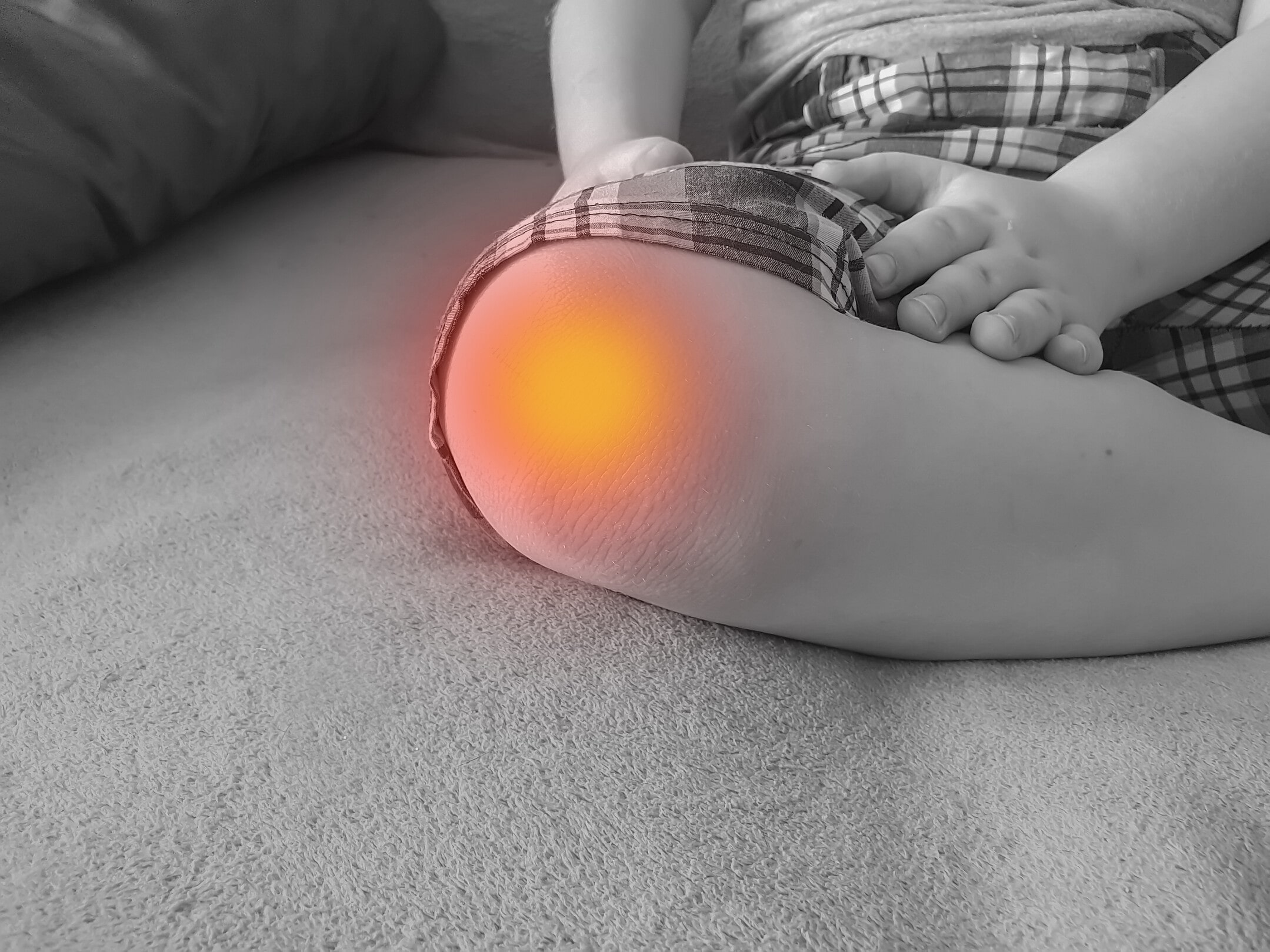
Joint pain is often associated with older adults, but it is increasingly common among young people, including teenagers and young adults. Factors like physical activity, growth, injuries, and lifestyle habits can contribute to discomfort in joints at any age. Understanding why joint pain occurs in young people is essential for prevention, early intervention, and maintaining long-term joint health. This guide explores the causes, symptoms, and strategies for managing joint pain in younger populations.
Joints are the points where two or more bones meet. They allow movement, provide stability, and absorb physical stress. Healthy joints rely on cartilage, ligaments, muscles, and synovial fluid to function smoothly. In young people, joints are still developing, making them more sensitive to stress, injury, and growth-related changes.
Cartilage acts as a cushion between bones, reducing friction during movement. In children and teenagers, growth plates—areas of developing tissue at the ends of long bones—are particularly vulnerable. Stress or injury to growth plates can contribute to joint pain and affect long-term bone development.
Muscles and ligaments support joint stability and movement. Rapid growth during adolescence can cause muscles and ligaments to become tight or imbalanced, which may increase stress on joints and lead to discomfort.
Joint pain in young people is often temporary but can sometimes indicate a more serious issue. Common causes include physical activity, growth, injuries, and medical conditions.
During growth spurts, bones can lengthen faster than muscles and tendons can adapt, causing tightness and discomfort around joints. This is often referred to as “growing pains” and typically affects the knees, ankles, or hips.
Young people who participate in sports or high-intensity activities are at higher risk of joint pain. Repetitive movements, sudden impacts, or overuse of specific joints can lead to inflammation, strain, or minor injuries. Common examples include:
Knee pain from running or jumping
Shoulder discomfort in swimming or throwing sports
Ankle pain from repeated jumping or twisting
Accidental injuries, such as falls, sprains, and fractures, can cause joint pain in young people. Even minor injuries can lead to lingering discomfort if not properly treated or rehabilitated.
Although less common, young people can develop conditions that cause joint inflammation, such as juvenile arthritis or autoimmune disorders. These conditions may cause swelling, stiffness, and persistent pain that requires medical attention.
Recognizing joint pain early can prevent complications and ensure proper care.
Stiffness, especially in the morning or after inactivity, can indicate stress on the joints. Reduced range of motion may also occur during growth spurts or after intense activity.
Swelling or tenderness around a joint may be a sign of inflammation or injury. These symptoms should be monitored to prevent further discomfort.
Pain that recurs frequently, intensifies over time, or limits daily activities is a signal to seek medical evaluation. Persistent pain may indicate overuse, growth-related issues, or an underlying condition.
Daily habits can influence how joints feel, even in young people.
Poor posture, heavy backpacks, or improper workstation setup can place extra stress on joints, leading to discomfort in the neck, shoulders, and back.
While overuse can cause joint pain, inactivity can also contribute to stiffness and weak supporting muscles. Balanced movement is essential for joint health.
A diet lacking essential nutrients, such as calcium, vitamin D, and protein, can affect bone and joint development. Proper nutrition supports cartilage health, muscle function, and overall mobility.
Early intervention and healthy habits can help reduce joint discomfort and prevent long-term issues.
Engage in a mix of low-impact activities, strength training, and flexibility exercises to support joint stability and prevent overuse injuries. Activities such as swimming, cycling, and yoga are gentle on joints while improving strength and mobility.
Learning correct form, warming up properly, and using protective gear can reduce stress on joints and prevent injuries.
Excess body weight increases stress on weight-bearing joints like the knees and hips. Maintaining a healthy weight supports joint function and reduces discomfort.
Allowing joints time to rest after intense activity is crucial. Adequate sleep and breaks between workouts or sports sessions help joints recover and reduce pain.
A balanced diet with sufficient vitamins, minerals, and hydration supports joint and muscle health. Calcium and vitamin D are particularly important for developing bones.
While most joint pain in young people is temporary, certain signs indicate the need for professional evaluation:
Pain that lasts for several weeks or is intense enough to affect daily activities requires medical attention.
Visible swelling, redness, or warmth around a joint may indicate inflammation or injury that needs treatment.
Difficulty moving a joint or inability to participate in regular activities may signal a more serious issue.
Frequent joint injuries or repeated flare-ups suggest the need for an assessment of technique, activity levels, or underlying conditions.
Joint pain is not just an adult problem. Growth, physical activity, injuries, and lifestyle factors can all contribute to discomfort in young people. Understanding the causes, recognizing symptoms, and adopting healthy habits can help manage joint pain effectively and support long-term joint health. By staying active, using proper techniques, maintaining a balanced diet, and listening to their bodies, young people can protect their joints and prevent long-term problems.