

Cold hands and feet are a common problem that affects people of all ages. While occasional cold extremities can be normal, persistent coldness may indicate an underlying health issue. Understanding why your hands and feet always feel cold can help you identify potential causes, recognize warning signs, and take steps to improve circulation and overall health.
The sensation of coldness in the hands and feet occurs when the body prioritizes blood flow to vital organs, such as the heart, brain, and lungs, leaving the extremities with reduced circulation. In some cases, this is temporary, such as exposure to cold weather. However, if coldness persists regardless of temperature, it could signal medical conditions, lifestyle factors, or nutritional deficiencies.
Poor circulation is one of the most frequent reasons for cold extremities. When blood flow is restricted, the hands and feet do not receive enough oxygen and warmth. Causes of poor circulation include:
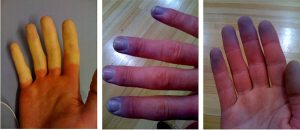
Raynaud’s disease is a condition in which small blood vessels in the fingers and toes overreact to cold or stress, causing episodes of extreme coldness, color changes, and tingling. It often affects women and can be triggered by cold temperatures or emotional stress.
An underactive thyroid can slow metabolism, reduce blood circulation, and lead to cold hands and feet. Other symptoms include fatigue, weight gain, dry skin, and hair thinning. Proper diagnosis and treatment with thyroid medication can alleviate these symptoms.
Diabetes can lead to peripheral neuropathy, a condition that damages nerves in the extremities and reduces sensation. Poor circulation caused by diabetes may make hands and feet feel cold, numb, or tingly. Managing blood sugar levels is crucial to preventing complications.
Anemia, a condition characterized by low red blood cell counts, reduces the body’s ability to carry oxygen to tissues. This can result in cold hands and feet, fatigue, pale skin, and shortness of breath. Iron-rich foods or supplements may help improve symptoms under medical guidance.
Certain habits and lifestyle choices can contribute to cold extremities, including:
When blood flow is restricted, the nerves may not receive enough oxygen, causing a pins-and-needles sensation or numbness in fingers and toes.
Cold hands and feet may appear pale, bluish, or even red after warming. Raynaud’s disease, in particular, causes distinct color changes during cold or stressful episodes.
Poor circulation can cause fluid buildup in the extremities, leading to swelling, heaviness, and discomfort.
Chronic cold hands and feet can coincide with overall fatigue, low energy, and difficulty performing daily tasks due to reduced blood flow to muscles and organs.
If left untreated, PAD can lead to reduced mobility, tissue damage, and increased risk of infections in the extremities. Severe cases may require surgical intervention.
Cold hands and feet with poor circulation may reduce the immune response in extremities, making it harder for wounds or injuries to heal properly.
Persistent cold extremities may be a sign of underlying cardiovascular issues. Reduced circulation increases the risk of high blood pressure, heart attack, and stroke.
Cardiovascular activities like walking, jogging, swimming, and cycling improve blood circulation, strengthen the heart, and warm the extremities naturally.
Wearing gloves, thick socks, and layered clothing in cold environments helps maintain body heat. Heated footwear or hand warmers can provide additional relief in extreme cold.
Consuming iron-rich foods, vitamin B12, omega-3 fatty acids, and antioxidants can improve blood flow. Foods like leafy greens, nuts, fish, and lean meats support vascular health.
Staying well-hydrated keeps blood thin and flowing smoothly, helping maintain warmth in the hands and feet.
Stress can trigger Raynaud’s attacks and restrict blood flow. Mindfulness, yoga, meditation, and deep breathing exercises can help reduce stress-related coldness.
If lifestyle changes do not improve symptoms, consult a doctor. Treatments may include:
Consult a healthcare professional if you experience persistent cold hands and feet along with:
While occasional cold hands and feet are often harmless, persistent coldness may indicate poor circulation, nerve damage, or underlying health conditions. Understanding the causes, recognizing the symptoms, and taking proactive measures can improve blood flow, warmth, and overall well-being. Lifestyle adjustments, proper nutrition, exercise, and timely medical intervention are key to managing cold extremities and preventing potential complications.