
Poor circulation, also known as inadequate blood flow, is a condition that affects millions of people worldwide. Blood circulation is crucial for delivering oxygen and nutrients to every part of the body, supporting organ function, and removing waste products. When circulation is impaired, it can impact nearly every system in the body, from the brain to the extremities. Understanding how poor circulation affects your entire body can help you recognize warning signs and take steps to improve your vascular health.
Poor circulation occurs when blood flow through the veins, arteries, or capillaries is reduced or restricted. This prevents tissues and organs from receiving the oxygen and nutrients they need to function optimally. The causes of poor circulation can be lifestyle-related, such as lack of exercise or smoking, or linked to medical conditions like diabetes, peripheral artery disease (PAD), and heart disease. Early recognition of symptoms can prevent serious health complications.
A diet high in saturated fats, sugar, and processed foods can lead to plaque buildup in the arteries, restricting blood flow. Obesity puts extra strain on the heart and blood vessels, further reducing circulation efficiency.
Sitting or standing for long periods slows blood flow, particularly in the legs. Regular cardiovascular exercise, such as walking, swimming, or cycling, helps maintain healthy circulation and reduces the risk of vascular disease.
Smoking damages blood vessels and reduces oxygen in the blood. Excessive alcohol consumption can weaken the heart and disrupt normal circulation. Avoiding tobacco and moderating alcohol intake are essential steps to improve vascular health.
Several medical conditions contribute to poor circulation:
Aging naturally decreases arterial elasticity and circulation efficiency. Family history of vascular or heart conditions also increases susceptibility to poor circulation.
Poor circulation reduces oxygen and nutrient delivery to the brain, which can lead to symptoms like headaches, dizziness, brain fog, and difficulty concentrating. Chronic insufficient blood flow may increase the risk of cognitive decline and memory issues over time.
Reduced blood flow can affect the retina and optic nerves, leading to blurred vision, eye fatigue, or in severe cases, increased risk of vision loss. People with diabetes or hypertension are particularly susceptible.
The heart is directly impacted by poor circulation. When arteries are narrowed or blood flow is restricted, the heart has to work harder to pump blood, increasing the risk of high blood pressure, heart attack, or stroke. Early symptoms may include chest pain, shortness of breath, or fatigue during physical activity.
Poor circulation can limit oxygen transport, leading to shortness of breath and decreased stamina. It can also increase the risk of fluid retention in the lungs, contributing to respiratory issues over time.
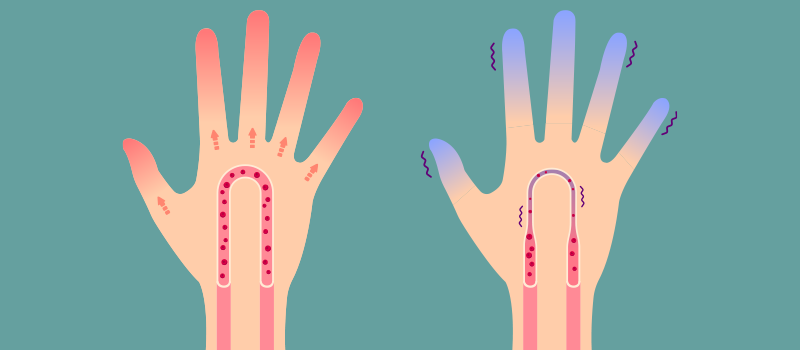
Cold, numb, or tingling hands and feet are common signs of poor circulation. Reduced blood flow can cause swelling, discomfort, and in severe cases, slow-healing wounds or ulcers. Peripheral artery disease and diabetes increase these risks significantly.
Poor circulation reduces nutrient delivery to the skin, causing dryness, discoloration, and slow wound healing. Hair growth may also be affected, leading to thinning or brittle hair, especially in the scalp or extremities.
Insufficient blood flow to the digestive organs can impair nutrient absorption and digestion. Chronic poor circulation may contribute to bloating, constipation, or stomach cramps due to reduced oxygen and nutrient supply to the gut.
Muscles rely on oxygen-rich blood to function properly. Poor circulation can cause muscle cramps, weakness, fatigue, and joint stiffness. Athletes or active individuals may notice decreased performance or prolonged recovery times.
Persistent cold hands or feet may indicate restricted blood flow.
Fluid accumulation in the legs, ankles, or feet is a sign of poor circulation.
Reduced blood flow can cause pins-and-needles sensations or numbness in the limbs.
Low energy levels, muscle weakness, or chronic tiredness may result from insufficient oxygen delivery to tissues.
Cuts, bruises, or ulcers that take longer to heal may indicate compromised blood flow.
Restricted blood flow increases strain on the heart and arteries, raising the risk of heart attack and stroke.
PAD can lead to leg pain, mobility issues, and severe complications like tissue damage or amputation if untreated.
Slow circulation increases the likelihood of clots forming in veins, potentially causing pulmonary embolism or stroke.
Chronic poor circulation can deprive organs of oxygen, leading to kidney, liver, or brain dysfunction over time.
Engaging in cardiovascular activities like walking, jogging, swimming, or cycling strengthens the heart and improves blood flow.
Eat foods rich in fiber, antioxidants, and omega-3 fatty acids, such as leafy greens, berries, nuts, seeds, and fatty fish.
Proper hydration keeps blood thin and flowing efficiently.
Protect your blood vessels by avoiding tobacco and moderating alcohol intake.
Reduce stress with meditation, yoga, or deep breathing exercises to prevent vascular constriction.
Wearing compression socks or elevating legs can help improve circulation and reduce swelling.
Persistent symptoms such as cold extremities, swelling, numbness, slow-healing wounds, or fatigue should prompt a visit to a healthcare professional. Early diagnosis and treatment can prevent serious complications like heart disease, PAD, or organ damage. Doctors may recommend lifestyle changes, medications, or specialized therapies depending on severity.
Poor circulation can affect almost every part of the body, from the brain to the toes. Understanding the causes, recognizing symptoms, and taking steps to improve blood flow are essential for overall health and well-being. Lifestyle changes, proper nutrition, regular exercise, stress management, and timely medical intervention can help prevent the serious complications associated with poor circulation. Pay attention to your body—healthy blood flow is vital from head to toe.