

Are Your Hands and Feet Always Cold? Here’s Why
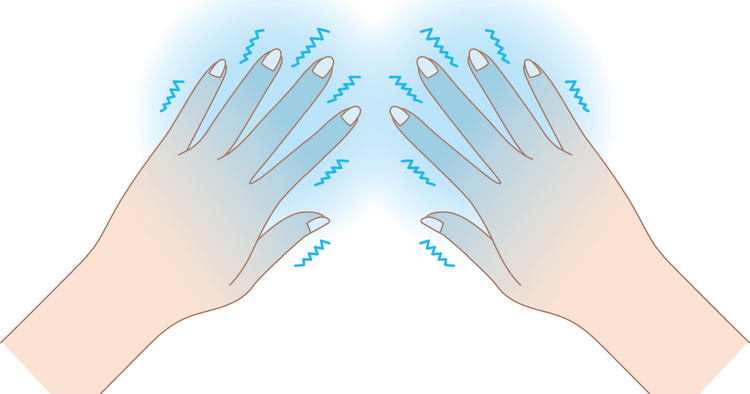
Do your hands and feet always feel cold, even when the room is warm? Cold extremities are a common complaint that can affect comfort, productivity, and overall well-being. While occasional cold hands and feet are usually harmless, persistent coldness can indicate underlying health issues. Understanding the causes, risk factors, and treatments can help you stay warm and healthy.
Why Hands and Feet Get Cold
Cold hands and feet happen when blood flow to your extremities is reduced. Blood carries warmth, oxygen, and nutrients to your tissues. When circulation is compromised, your hands and feet may feel chilly, numb, or even tingly. Several factors—both environmental and medical—can contribute to this common issue.
Environmental Causes
External factors are often the simplest explanation for cold extremities. Common environmental causes include:
- Cold Weather: Exposure to cold temperatures causes blood vessels in the extremities to constrict to preserve core body heat.
- Prolonged Inactivity: Sitting or standing in one position for too long slows circulation.
- Improper Clothing: Wearing shoes, gloves, or socks that are too tight or not insulated can prevent warmth from reaching your extremities.
Medical Causes
Persistent cold hands and feet may be linked to underlying health conditions, including:
- Poor Circulation: Conditions like peripheral artery disease (PAD) or atherosclerosis restrict blood flow to your extremities.
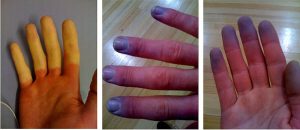
- Raynaud’s Disease: A condition where blood vessels overreact to cold or stress, causing fingers and toes to turn white, blue, or red.
- Diabetes: High blood sugar can damage blood vessels and nerves, reducing warmth in your hands and feet.
- Hypothyroidism: An underactive thyroid slows metabolism, which can lead to feeling cold, especially in extremities.
- Anemia: Low red blood cell count reduces oxygen transport, making extremities feel cold and fatigued.
Symptoms Associated With Cold Hands and Feet
Not all cold extremities are created equal. Some symptoms may indicate a more serious condition:
- Numbness or tingling in fingers or toes
- Pale, blue, or reddish discoloration of the skin
- Swelling or swelling combined with coldness
- Pain, cramping, or burning sensations
- Slow-healing cuts or sores on hands or feet
When to See a Doctor
If your cold hands and feet are persistent or accompanied by other symptoms such as numbness, discoloration, or pain, it’s important to consult a healthcare professional. Conditions like peripheral artery disease, diabetes, or Raynaud’s disease require early detection and treatment to prevent complications.
Common Risk Factors
Several factors make you more likely to experience cold extremities:
- Age: Blood vessels naturally stiffen with age, slowing circulation.
- Gender: Women are more prone to cold hands and feet due to hormonal and circulatory differences.
- Smoking: Nicotine constricts blood vessels, reducing warmth in extremities.
- Medical Conditions: Diabetes, hypothyroidism, and anemia increase susceptibility.
- Stress and Anxiety: Stress triggers the body’s “fight or flight” response, diverting blood flow away from hands and feet.
Tips to Keep Your Hands and Feet Warm
There are several strategies you can use to improve warmth in your extremities, whether your cold hands and feet are due to environment or circulation issues:
Lifestyle Changes
- Exercise Regularly: Physical activity boosts blood circulation and helps maintain core body temperature.
- Stay Hydrated: Proper hydration improves blood flow and reduces cold extremities.
- Manage Stress: Meditation, yoga, or deep breathing exercises can reduce stress-related circulation problems.
Clothing and Environment
- Wear layered clothing to trap heat.
- Choose thermal socks and insulated gloves for maximum warmth.
- Use heating pads or warm water soaks to increase blood flow temporarily.
- Keep your home at a comfortable temperature and avoid sitting in drafty areas.
Medical Approaches
- Medications for underlying conditions like Raynaud’s disease or hypothyroidism may improve warmth.
- Physical therapy or exercises may enhance circulation.
- Regular checkups can help detect vascular issues or diabetes early.
Dietary Tips to Improve Circulation
Your diet plays a significant role in blood flow and warmth:
- Eat foods rich in omega-3 fatty acids, like salmon and flaxseeds, to support cardiovascular health.
- Include iron-rich foods like spinach, lentils, and lean meats to prevent anemia.
- Consume plenty of fruits and vegetables high in antioxidants to promote vascular health.
- Avoid excessive caffeine or alcohol, which can constrict blood vessels.
When Cold Hands and Feet Indicate Something Serious
While most cases of cold extremities are harmless, sometimes they can indicate serious health issues:
- Peripheral Artery Disease: Narrowed arteries can reduce blood flow to limbs.
- Diabetes: Nerve or vascular damage can cause chronic coldness.
- Heart Disease: Poor circulation can be an early warning of cardiovascular issues.
- Hypothyroidism: Low thyroid hormone slows metabolism and circulation.
Conclusion
Cold hands and feet are more than just an inconvenience—they can be an early sign of circulation or health problems. By understanding the causes, recognizing the symptoms, and taking proactive measures, you can improve warmth and overall health. Lifestyle changes, proper clothing, diet, and medical care when needed can all help ensure your hands and feet stay comfortably warm all year round.