

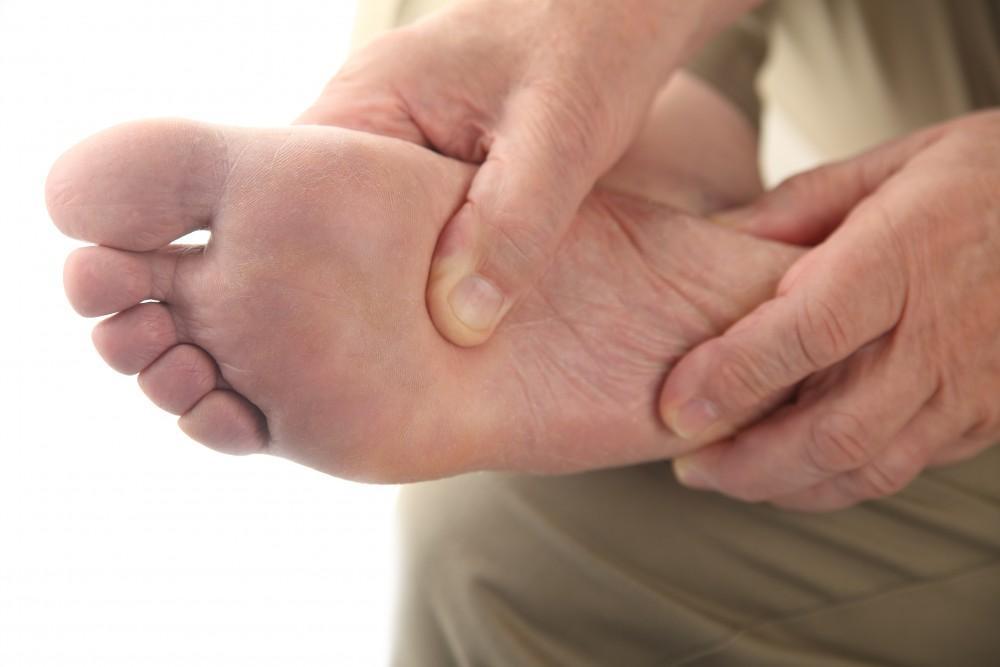
Persistent foot pain can make even simple daily activities feel like a challenge. From walking and standing to exercising or enjoying leisure time, chronic discomfort in your feet can affect your mobility, posture, and overall quality of life. If you’ve been struggling with ongoing foot pain, the good news is that there are effective ways to take control. Still Living With Foot Pain? Here’s How to Take Control
This article explores practical strategies, self-care techniques, and lifestyle adjustments to help you reduce pain, improve foot health, and regain comfort and confidence in your daily life.
Foot pain that lasts for weeks or months is considered chronic. It can range from dull soreness to sharp, stabbing pain, and may worsen with activity or prolonged standing.
Some frequent contributors include:
Plantar fasciitis
Bunions, corns, and calluses
Arthritis or joint inflammation
Tendonitis or overuse injuries
Poorly fitting footwear
Nerve irritation or neuropathy
Identifying the cause of your foot pain is essential for choosing the right management strategies.
One of the most effective ways to reduce and prevent foot pain is by wearing supportive, well-fitting shoes.
Look for shoes that offer:
Adequate arch support for your foot type
Cushioning to absorb shock
A wide toe box to prevent crowding
Stable heel support for balance
Breathable materials to keep feet dry and comfortable
Avoid worn-out shoes, high heels, or completely flat shoes that lack support, as they can worsen chronic pain.
Switching between different pairs of shoes can prevent repetitive stress on the same areas. Replace shoes once they lose their cushioning or structural support, usually every 300–500 miles for athletic shoes.
Foot pain is often caused or worsened by tight muscles, weak arches, and poor mobility. Daily stretching and strengthening exercises can relieve pain and prevent further issues.
Calf stretches: Lean against a wall, one foot back, heel on the floor.
Plantar fascia stretch: Pull toes toward the shin while seated to stretch the arch.
Toe and ankle mobility: Rotate ankles and wiggle toes to improve circulation and flexibility.
Heel raises: Strengthen calves and arches by lifting heels while standing.
Towel scrunches: Use your toes to scrunch a towel on the floor to strengthen small foot muscles.
Arch lifts: Press the ball of your foot down and lift the arch while seated.
Consistent practice can help stabilize the foot, reduce pain, and improve overall function.
Simple, natural methods can significantly reduce discomfort without medication.
Ice therapy: Apply ice for 15–20 minutes to reduce inflammation after activity.
Warm foot soaks: Relax muscles and improve circulation with warm water, optionally with Epsom salts.
Alternating cold and warm therapy can help relieve pain and swelling.
Foot massage promotes circulation and relieves tension. Rolling a tennis ball, frozen water bottle, or foam roller under the foot targets arches, heels, and balls of the feet effectively.
Adding support to your footwear can alleviate pain and improve alignment.
Over-the-counter insoles: Provide cushioning and basic arch support.
Custom orthotics: Designed by a podiatrist to address structural issues and chronic pain.
Properly fitted orthotics, combined with exercises and supportive shoes, can dramatically improve comfort.
Healthy feet are less prone to pain and injury. Regular care prevents irritation, infection, and structural issues.
Wash and dry feet thoroughly, especially between toes.
Moisturize to prevent dryness and cracking.
Inspect feet for corns, calluses, bunions, swelling, or redness.
Addressing small problems early prevents them from becoming painful issues.
Foot health is influenced by overall wellness, weight, and activity levels.
Excess weight places additional pressure on your feet, worsening chronic pain. Maintaining a healthy weight reduces strain and supports long-term mobility.
Swimming, cycling, and yoga strengthen muscles and improve circulation without putting excessive stress on your feet.
Proper standing, walking, and lifting techniques help distribute weight evenly, reducing foot strain.
Chronic foot pain is a signal, not something to ignore. Adjusting activity, footwear, and posture based on pain levels helps prevent worsening symptoms.
Consult a podiatrist or healthcare provider if you notice:
Persistent or worsening pain
Swelling, redness, or warmth
Numbness or tingling
Difficulty walking or standing
Early evaluation can prevent complications and improve outcomes.
Chronic foot pain can feel overwhelming, but consistent self-care strategies make a noticeable difference. Combining supportive footwear, daily stretches, strengthening exercises, massage, proper hygiene, and lifestyle adjustments empowers you to take control of your foot health.
By implementing these practical tips, you can reduce pain, protect mobility, and enjoy daily life with healthier, more comfortable feet. Still Living With Foot Pain? Here’s How to Take Control