

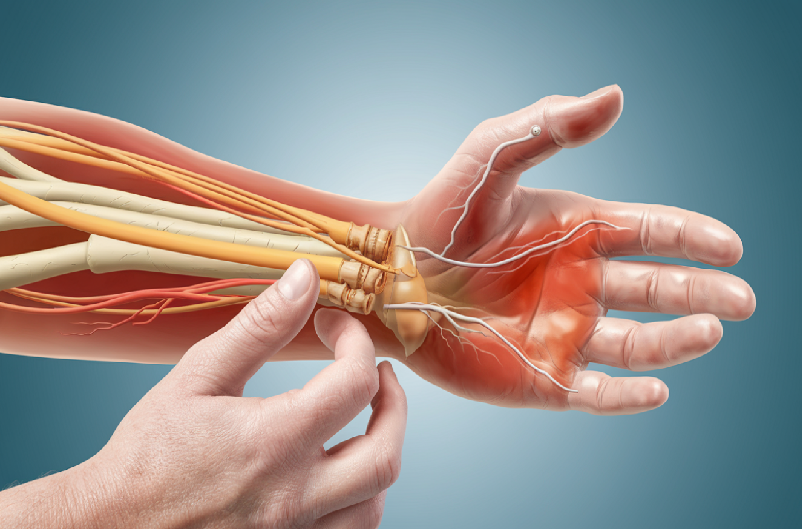
Repetitive work injuries (RSIs) are a common concern in workplaces worldwide, affecting office workers, factory employees, healthcare professionals, and tradespeople. These injuries occur due to repeated motions, awkward postures, or overuse of specific muscles and joints, leading to chronic pain and reduced productivity. However, with the right treatment strategies, individuals can move from pain to productivity and regain both comfort and efficiency at work.
This article explores evidence-based approaches for treating repetitive work injuries, offering a structured guide from symptom management to long-term recovery, while maintaining an SEO-friendly format for Google indexing.

Before exploring treatment methods, it is crucial to understand the nature and causes of repetitive work injuries.
Repetitive work injuries develop gradually when tissues experience excessive stress without adequate recovery. Common causes include:
Repeated motions, such as typing or lifting
Maintaining awkward or static postures for extended periods
Poor workstation ergonomics
Forceful gripping or lifting
Insufficient rest breaks
Over time, these stresses can lead to inflammation, tendon or muscle damage, nerve irritation, and chronic pain.
Some frequently diagnosed RSIs include:
Carpal tunnel syndrome
Tendonitis
Bursitis
Tennis elbow or golfer’s elbow
Rotator cuff injuries
Neck, shoulder, and lower back strain
Each injury type requires a tailored approach to treatment and recovery.
The sooner a repetitive work injury is identified and treated, the higher the chances of full recovery.
Early symptoms may be subtle but should not be ignored:
Persistent aching or soreness
Tingling or numbness
Weakness in hands, arms, or shoulders
Stiffness and reduced range of motion
Pain that worsens during or after work
Prompt attention prevents minor injuries from becoming chronic and impacting productivity.
A medical professional can provide:
Physical examination
Assessment of posture and movement
Review of workplace tasks
Imaging if necessary (X-rays, ultrasound, MRI)
Accurate diagnosis helps determine the most effective treatment plan.
Most repetitive work injuries respond well to conservative, non-surgical treatments when addressed early.
Reducing or altering activities that cause pain is essential for healing:
Limiting repetitive movements
Rotating tasks
Adjusting work techniques
Taking scheduled breaks
Rest allows inflamed tissues to recover while preventing further injury.
Pain relief supports healing and enables individuals to remain productive during recovery:
Ice or heat therapy
Over-the-counter anti-inflammatory medications
Topical pain relief creams
Bracing or splinting for joint support
These methods address symptoms while the underlying injury heals.
Physical therapy is one of the most effective ways to transition from pain to productivity.
Targeted exercise programs can:
Stretch tight muscles
Strengthen weak areas
Improve joint mobility
Correct movement patterns
Gradual progression ensures safe recovery without aggravating the injury.
Hands-on therapies enhance recovery:
Soft tissue mobilization
Trigger point therapy
Myofascial release
Joint mobilization
These techniques reduce tension, improve circulation, and restore function.
Long-term productivity depends on preventing future injuries through ergonomic improvements.
Simple adjustments can reduce strain:
Proper chair height and lumbar support
Monitor placement at eye level
Keyboard and mouse positioning
Anti-fatigue mats for standing workers
A well-designed workstation minimizes stress on muscles and joints.
For labor-intensive jobs, ergonomic tools and task redesign are essential:
Power-assisted or anti-vibration tools
Proper handle grips
Task rotation to reduce repetitive strain
These adjustments support safe, efficient work and reduce recurrence risk.
In addition to traditional treatments, complementary therapies can accelerate recovery.
Massage reduces muscle tension, improves circulation, and alleviates pain, supporting quicker return to work.
Chiropractic care focuses on spinal alignment, posture correction, and joint mobility, which can relieve nerve irritation and support musculoskeletal health.
Sustainable recovery requires ongoing habits to prevent recurrence and maintain productivity.
Developing routines that reduce strain is essential:
Frequent micro-breaks
Stretching during the day
Alternating tasks
Maintaining good posture
These practices protect the body while enhancing work efficiency.
General health habits support recovery:
Regular low-impact exercise to strengthen muscles
Adequate sleep for tissue repair
Balanced nutrition for healing
Stress management to prevent tension-related pain
Healthy lifestyle choices complement workplace interventions for long-term results.
While most repetitive work injuries heal without surgery, severe cases may require intervention.
Surgery may be considered if:
Severe nerve compression exists
Chronic pain persists despite conservative treatment
Significant loss of function occurs
Imaging shows structural damage
Surgery is typically the last resort, followed by rehabilitation to restore productivity.
Repetitive work injuries can significantly impact both comfort and productivity if left untreated. However, with early intervention, conservative treatment, physical therapy, ergonomic improvements, and healthy lifestyle habits, most individuals can recover fully without surgery.
By addressing both symptoms and underlying causes, employees can transition from pain to productivity, maintain musculoskeletal health, and sustain long-term workplace performance. Structured treatment and prevention strategies ensure not only recovery but also enhanced efficiency and comfort in daily work life.