

Foot pain is one of the most common physical complaints, yet it’s often ignored until it starts interfering with daily life. Your feet support your entire body, absorb impact, and keep you moving—so when they hurt, everything feels harder. The good news is that maintaining healthy feet and reducing foot pain doesn’t require drastic changes. Small, consistent habits can make a significant difference.
This article explores simple, practical, and effective ways to reduce foot pain, improve foot health, and support a more active, comfortable lifestyle.
Your feet are complex structures made up of 26 bones, over 30 joints, and more than 100 muscles, ligaments, and tendons. When foot health is compromised, it can affect posture, balance, and even cause pain in the knees, hips, and lower back.
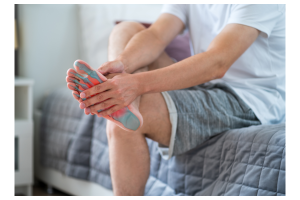
Ongoing foot pain can lead to:
Reduced mobility and activity levels
Poor posture and altered walking patterns
Increased risk of injury
Decreased quality of life
Addressing foot pain early helps prevent these issues and supports long-term overall health.
Understanding what causes foot pain is the first step toward relief. Pain can stem from lifestyle habits, medical conditions, or improper footwear.
Some common causes include:
Standing or walking for long periods
Wearing unsupportive or ill-fitting shoes
Plantar fasciitis
Flat feet or high arches
Arthritis
Bunions, corns, and calluses
Once the cause is identified, targeted strategies can be used to reduce discomfort and prevent recurrence.
One of the simplest and most effective ways to reduce foot pain is by wearing proper footwear. Shoes should support your feet—not work against them.
Look for shoes that offer:
Good arch support
Cushioned soles to absorb shock
A wide toe box to reduce pressure
Firm heel support for stability
Breathable materials for comfort
Avoid worn-out shoes or styles that force your feet into unnatural positions, such as high heels or narrow-toed shoes.
Wearing the same pair of shoes every day can increase strain. Rotating footwear allows cushioning to recover and reduces repetitive stress on the same pressure points.
Stretching is an easy, cost-free way to reduce foot pain and improve flexibility. Tight muscles in the feet and lower legs often contribute to discomfort.
Incorporate stretches that target:
Calf muscles
Achilles tendon
Plantar fascia
Toes and arches
Stretching first thing in the morning and after long periods of standing can significantly reduce stiffness and pain.
Simple movements like ankle circles, toe wiggles, and foot rolls can boost circulation and relieve tension, especially if you sit or stand for long periods.
Weak foot muscles can contribute to poor support and increased pain. Strengthening exercises help stabilize the foot and reduce strain.
Try exercises such as:
Toe curls with a towel
Picking up small objects with your toes
Heel raises
Arch lifts
Performing these exercises a few times a week can improve balance, support, and overall foot function.
Managing foot pain doesn’t always require medical intervention. Simple at-home techniques can provide effective relief.
Applying ice for 15–20 minutes after activity helps reduce inflammation. Elevating your feet at the end of the day can also relieve swelling and soreness.
Massaging the feet relaxes tight muscles and improves blood flow. Rolling your foot over a ball or frozen water bottle can be especially helpful for heel and arch pain.
Foot support can make a big difference, especially for people with flat feet, high arches, or chronic pain.
Over-the-counter insoles can provide added cushioning and support for everyday use. Custom orthotics, prescribed by a professional, may be beneficial for persistent or severe foot issues.
Every step places pressure on your feet. Maintaining a healthy body weight reduces strain and helps prevent pain.
Poor posture or improper walking patterns can worsen foot pain. Standing tall, distributing weight evenly, and avoiding excessive foot rolling can help protect your feet.
Pain is a signal—not something to ignore. Pushing through foot pain often leads to worsening symptoms or injury.
Alternate high-impact activities with low-impact options like swimming or cycling. Allowing time for recovery helps prevent chronic foot problems.
While many cases of foot pain can be managed at home, professional care may be necessary if pain persists.
Seek medical advice if you experience:
Persistent or worsening pain
Swelling, redness, or warmth
Numbness or tingling
Difficulty walking or bearing weight
Early treatment can prevent complications and support long-term foot health.
Healthy feet are the foundation of an active, fulfilling life. By wearing supportive shoes, stretching regularly, strengthening your feet, and paying attention to pain signals, you can reduce discomfort and protect your mobility.
Small changes, practiced consistently, can lead to lasting relief. When your feet feel good, moving through life becomes easier—and happier.