

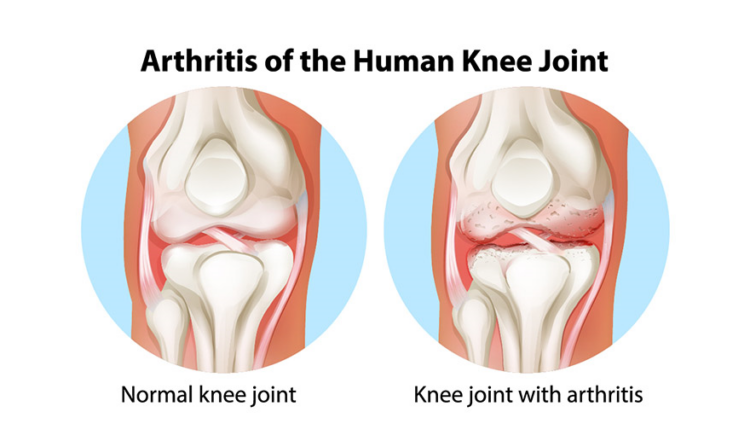
Joint pain is a common issue that affects millions of people worldwide, and it can develop gradually or appear suddenly depending on various factors. Understanding how joint pain develops over time is crucial for early prevention, effective management, and maintaining long-term mobility. This guide explores the stages of joint pain, the underlying causes, contributing lifestyle factors, and strategies to support joint health throughout life.
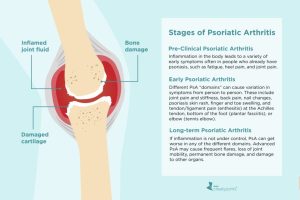
Joints are the points where two or more bones meet. They allow movement, provide stability, and absorb physical stress. Common joints that are affected by pain include the knees, hips, shoulders, elbows, wrists, and fingers. Healthy joints rely on cartilage, synovial fluid, ligaments, and surrounding muscles to function smoothly.
Cartilage is a flexible tissue that covers the ends of bones in a joint, acting as a cushion and reducing friction. Over time, repeated stress, aging, or injury can cause cartilage to wear down, leading to pain, stiffness, and reduced mobility.
Synovial fluid lubricates the joints and nourishes cartilage. Adequate hydration and healthy movement help maintain this fluid, while inactivity, aging, or inflammation can reduce its effectiveness, contributing to joint discomfort.
Joint pain often develops gradually, starting with subtle signs that may be overlooked.
One of the earliest indicators of developing joint issues is mild stiffness, especially after long periods of rest. Morning stiffness or difficulty moving after sitting for a long time can suggest that joints are under stress.
Slight aches during or after physical activity may indicate minor cartilage wear or temporary inflammation. At this stage, discomfort is usually manageable and often resolves with rest or gentle movement.
Early swelling or tenderness around a joint may occur when the body responds to stress, injury, or overuse. Paying attention to these signs can help prevent more serious issues later.
If joint stress continues without proper care, pain may progress and become more persistent over time.
As joints experience ongoing stress or inflammation, stiffness can become more pronounced. Daily activities may start to feel more difficult, and movement may feel restricted.
Persistent aching or soreness can develop when cartilage begins to break down, ligaments weaken, or muscles supporting the joint become less effective. Chronic joint pain often affects quality of life and may limit mobility.
Joint pain may intensify periodically, often triggered by increased activity, poor posture, or environmental factors. These flare-ups are a signal that joints need rest, support, or intervention.
Joint pain is rarely caused by a single factor. It usually results from a combination of age-related changes, lifestyle habits, injuries, and medical conditions.
Osteoarthritis is one of the most common causes of long-term joint pain. It occurs when cartilage gradually wears away, leading to friction, inflammation, and stiffness. This condition typically develops slowly over years.
Activities that place repeated strain on specific joints, such as running, typing, or lifting, can gradually wear down cartilage and ligaments. Overuse injuries often lead to gradual, persistent pain.
Even a minor injury can accelerate joint degeneration over time. Sprains, strains, and fractures can damage cartilage, ligaments, or surrounding muscles, leading to chronic joint pain if not properly treated.
Inflammatory conditions like rheumatoid arthritis cause the immune system to attack joint tissue. Over time, this inflammation can cause pain, swelling, and reduced mobility.
Everyday habits play a significant role in how joint pain develops and progresses.
Regular movement strengthens muscles around joints and maintains flexibility. Lack of activity can increase stiffness, weaken supportive muscles, and accelerate pain progression.
Poor posture and improper body mechanics can place uneven stress on joints, increasing wear over time. Ergonomic adjustments at work, proper lifting techniques, and mindful posture can help reduce joint strain.
Excess body weight adds stress to weight-bearing joints such as knees, hips, and ankles. Maintaining a healthy weight reduces pressure on these joints and slows the development of joint pain.
A balanced diet rich in vitamins, minerals, and anti-inflammatory nutrients supports cartilage and joint health. Adequate hydration is essential for synovial fluid production and lubrication.
Early intervention can prevent joint pain from worsening. Knowing when to act is crucial.
Joint pain that lasts more than a few weeks or occurs consistently during daily activities should be evaluated by a healthcare professional.
Difficulty bending, walking, or performing routine tasks indicates that the joint may be under strain and needs support.
Visible swelling, redness, or changes in joint shape are signs that the joint may require medical attention.
If joint discomfort prevents you from sleeping, exercising, or completing normal activities, it’s time to address the underlying causes.
Preventing and managing joint pain is possible with consistent, everyday practices.
Activities like walking, swimming, cycling, and yoga help maintain flexibility, strengthen muscles, and support joint function without excessive strain.
Strong muscles act as natural supports, reducing pressure on joints and lowering the risk of injury and pain progression.
Incorporate anti-inflammatory foods, vitamins, and minerals to maintain cartilage health and support joint function.
Maintaining a healthy weight reduces stress on joints and slows the progression of pain over time.
Practice good posture, use proper lifting techniques, and adjust your workspace to minimize joint strain during daily activities.
Joint pain often develops gradually, influenced by a combination of physical stress, lifestyle factors, injuries, and aging. Recognizing early signs, understanding the causes, and adopting supportive habits can slow the progression of joint discomfort and improve quality of life. Paying attention to your joints and making informed choices about movement, posture, nutrition, and rest helps maintain long-term mobility and overall joint health.