


Foot pain can be frustrating, limiting, and downright discouraging—especially if you live an active lifestyle. Whether you enjoy walking, running, working out, playing sports, or simply staying on your feet throughout the day, persistent foot pain can make everyday movement feel like a chore. The good news is that managing foot pain does not mean giving up the activities you love. With the right strategies, support, and awareness, you can stay active while protecting your feet.
This article explores practical, evidence-based ways to manage foot pain, reduce discomfort, and maintain mobility—without sacrificing your quality of life.
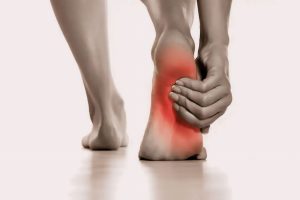
Before you can manage foot pain effectively, it’s important to understand what may be causing it. The feet are complex structures made up of bones, muscles, ligaments, and tendons that absorb impact and support your entire body.
Some of the most common reasons people experience foot pain include:
Overuse from walking, running, or standing for long periods
Poorly fitting or unsupportive footwear
Plantar fasciitis
Flat feet or high arches
Arthritis or joint inflammation
Bunions, corns, or calluses
Achilles tendon issues
Stress fractures
Identifying the root cause of your foot pain allows you to choose the right management approach and avoid worsening the problem.
One of the most important factors in managing foot pain is wearing the right shoes. Footwear plays a critical role in shock absorption, alignment, and overall comfort.
When choosing shoes for daily wear or exercise, look for:
Proper arch support based on your foot type
Cushioned soles to reduce impact
A wide toe box to prevent crowding
Firm heel support for stability
Breathable materials to reduce irritation
Avoid shoes that are overly worn, too tight, or lack structure. Even stylish shoes should support your foot’s natural movement.
Athletic shoes lose their shock-absorbing ability over time. If you’re active, consider replacing running or walking shoes every 300–500 miles or when you notice increased foot discomfort.
Staying active doesn’t mean pushing through pain. Smart modifications can help you maintain fitness while giving your feet time to recover.
If high-impact activities worsen your foot pain, consider switching temporarily to low-impact options such as:
Swimming
Cycling
Elliptical training
Rowing
Strength training with minimal foot pressure
These exercises allow you to stay active without placing excessive strain on your feet.
Reducing workout duration, frequency, or intensity can significantly decrease foot stress. Gradual progression is key—avoid sudden increases in activity that can overload your feet.
Targeted foot and lower-leg exercises can improve flexibility, circulation, and support—helping to relieve pain and prevent future injuries.
Daily stretching can reduce tension and stiffness. Focus on:
Calf stretches
Plantar fascia stretches
Achilles tendon stretches
Toe and arch mobility exercises
Stretching first thing in the morning and after activity is especially helpful for managing chronic foot pain.
Strong foot muscles help stabilize your body and reduce strain. Exercises such as toe curls, towel scrunches, and heel raises can improve foot function over time.
Simple at-home strategies can provide significant relief and support recovery.
After activity, rest your feet and apply ice for 15–20 minutes to reduce inflammation. Elevating your feet can also help minimize swelling.
Foot massage improves circulation and reduces tension. Rolling your foot over a tennis ball or foam roller can help relieve soreness, especially in the arch and heel.
Orthotic inserts can provide customized support, improve alignment, and reduce pressure on painful areas.
Many people find relief with high-quality over-the-counter insoles. For persistent or severe foot pain, custom orthotics prescribed by a healthcare professional may be more effective.
Excess body weight increases pressure on the feet with every step. Maintaining a healthy weight can significantly reduce foot pain and prevent further damage.
Poor posture or walking mechanics can contribute to foot pain. Pay attention to how you stand and walk, and consider professional gait analysis if pain persists.
While many cases of foot pain can be managed at home, ongoing or severe pain should not be ignored.
Consult a podiatrist or healthcare provider if you experience:
Persistent pain lasting more than a few weeks
Swelling, redness, or warmth
Sharp or worsening pain
Numbness or tingling
Difficulty walking or bearing weight
Early intervention can prevent long-term complications and keep you active longer.
Managing foot pain doesn’t mean giving up movement—it means moving smarter. By wearing supportive footwear, modifying activities, strengthening your feet, and listening to your body, you can stay active without unnecessary discomfort.
Your feet carry you through life. With proper care and attention, they can continue to support an active, healthy lifestyle for years to come.