

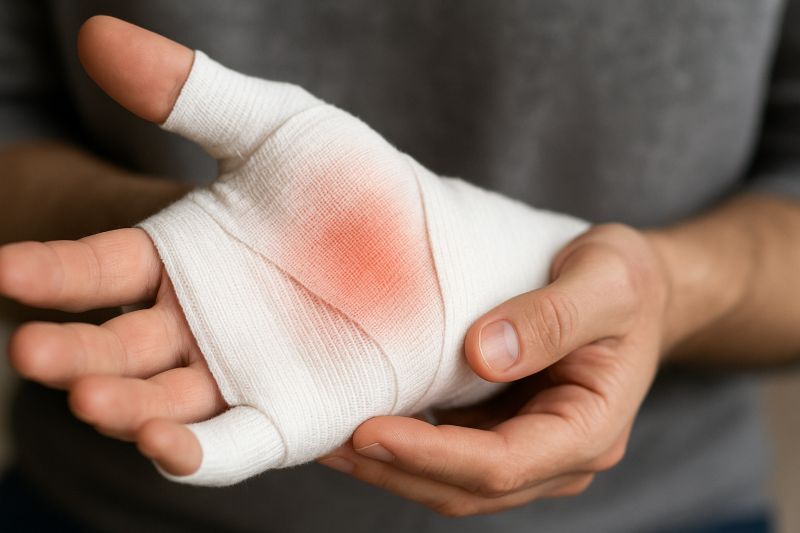
Repetitive strain injuries (RSIs) are among the most common work-related conditions, affecting people across industries from office jobs to manufacturing and healthcare. These injuries develop gradually due to repetitive motions, sustained postures, or overuse of muscles, tendons, and nerves. Once symptoms appear, a key question arises: should recovery focus on complete rest, or is active treatment through physical therapy more effective?
This article explores the evidence behind rest and physical therapy for RSI recovery, providing a comprehensive, SEO-optimized guide to help individuals make informed decisions about healing and returning to productive work.
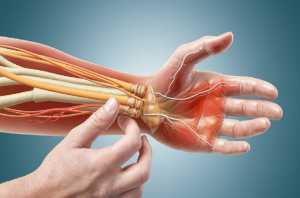
Before comparing treatment approaches, it is essential to understand the nature of repetitive strain injuries.
RSIs occur when the same muscles, tendons, or nerves are repeatedly stressed without adequate recovery. Common contributing factors include:
Repetitive movements, such as typing or assembly line work
Prolonged or awkward postures
Forceful gripping, lifting, or twisting
Poor ergonomic setup at work
Lack of adequate breaks or rest
Over time, these stresses lead to inflammation, micro-tears in tissues, nerve compression, and chronic pain.
Early recognition of RSI symptoms can speed recovery. Typical signs include:
Aching or soreness in affected areas
Tingling or numbness, especially in hands or arms
Stiffness and reduced range of motion
Weakness in muscles
Pain that worsens during or after repetitive tasks
Identifying these symptoms early allows timely intervention, which can prevent long-term complications.
Traditionally, rest has been recommended for RSIs, but its effectiveness depends on the severity and type of injury.
Rest reduces strain on injured tissues and allows the body’s natural healing processes to repair inflammation and micro-tears. Short-term rest can be particularly beneficial during the acute phase of injury when pain and swelling are prominent.
While rest can alleviate pain temporarily, complete inactivity may lead to:
Muscle weakness
Joint stiffness
Reduced circulation
Slower overall recovery
Relying solely on rest often delays the return to normal function and productivity.
Physical therapy is widely recognized as one of the most effective treatment methods for repetitive strain injuries.
A physical therapist uses evidence-based techniques to:
Strengthen weak muscles
Stretch tight or overused muscles
Improve joint mobility and flexibility
Correct posture and movement patterns
Reduce pain and inflammation through targeted modalities
These interventions not only address symptoms but also target the underlying causes of RSIs.
Physical therapy approaches may include:
Therapeutic exercises tailored to the injury
Manual therapy, such as soft tissue mobilization or myofascial release
Education on ergonomics and safe movement strategies
Functional retraining to restore work-specific movements
Consistency and progression in therapy are key to long-term recovery and prevention of recurrence.
Several studies have compared the effectiveness of rest versus active physical therapy for RSIs, offering clear insights for recovery planning.
Research consistently shows that while rest can temporarily reduce pain, active recovery through physical therapy leads to:
Faster restoration of function
Greater long-term pain relief
Improved strength and flexibility
Reduced risk of recurring injuries
Physical therapy helps patients gradually return to work, whereas prolonged rest can prolong disability and reduce productivity.
Short-term rest during acute flare-ups can complement physical therapy. For example, taking a brief break from aggravating tasks while engaging in guided exercises or stretches optimizes healing. This combined approach balances tissue recovery with active rehabilitation, providing the best outcomes.
Physical therapy is most effective when paired with ergonomic improvements and workplace interventions.
Adjustments such as proper chair support, monitor height, and keyboard positioning reduce strain on muscles and joints. Ergonomic tools like split keyboards, anti-vibration tools, or adjustable desks support recovery and prevent reinjury.
Rotating tasks, adjusting workload, and using supportive equipment help reduce repetitive strain while allowing employees to remain productive.
Healing RSIs requires attention to overall health and daily habits beyond the workplace.
Low-impact exercise such as swimming, yoga, or walking improves circulation, strengthens supporting muscles, and promotes tissue healing.
Adequate sleep supports tissue repair, a balanced diet provides nutrients for healing, and stress management reduces muscle tension and inflammation, all contributing to faster recovery.
In most cases, RSIs respond well to rest, physical therapy, and lifestyle adjustments. Surgery is typically reserved for:
Severe nerve compression, such as advanced carpal tunnel syndrome
Persistent pain despite months of conservative treatment
Significant loss of function or strength
Structural damage confirmed by imaging
Even after surgery, physical therapy is essential to restore full function and prevent recurrence.
While rest plays a role in managing acute pain, research and clinical experience show that physical therapy is the cornerstone of effective RSI recovery. Guided exercises, manual therapy, ergonomic adjustments, and lifestyle interventions address both symptoms and underlying causes, allowing individuals to regain strength, mobility, and productivity.
The most effective approach often combines short-term rest during flare-ups with consistent physical therapy and preventive strategies. By taking an active role in recovery, workers can heal fully, reduce the risk of recurrence, and return to productive, pain-free work.
This structured, evidence-based approach ensures that RSI recovery is not just about symptom relief but also about long-term musculoskeletal health and workplace efficiency.