
Poor Circulation 101: What It Is and How It Impacts Your Health
Poor circulation affects millions of people worldwide and can have serious consequences for your overall health. While it might seem like a minor issue, impaired blood flow can influence every organ and system in your body, from your brain to your toes. Understanding the causes, symptoms, and treatments for poor circulation is essential for maintaining optimal health.
What Is Poor Circulation?
Poor circulation occurs when blood flow through your arteries, veins, and capillaries is insufficient to meet your body’s needs. Blood carries oxygen and nutrients to all your tissues and organs, so when circulation is impaired, your body cannot function at its best. This condition can develop gradually over time or suddenly, depending on the underlying causes.
Common Causes of Poor Circulation
Several factors can contribute to poor circulation, including lifestyle choices, medical conditions, and structural issues within the cardiovascular system. Common causes include:
- Atherosclerosis: The buildup of fatty deposits in your arteries can restrict blood flow.
- Peripheral Artery Disease (PAD): Narrowed arteries in the legs can make walking painful and reduce circulation to lower extremities.
- Diabetes: High blood sugar levels can damage blood vessels, leading to poor circulation.
- Blood Clots: These can block veins or arteries, preventing proper blood flow.
- Obesity and Sedentary Lifestyle: Excess weight and lack of movement can put pressure on your circulatory system.
- Smoking: Tobacco damages blood vessels and decreases circulation efficiency.
Signs and Symptoms of Poor Circulation
Recognizing poor circulation early can prevent more serious health issues. Symptoms vary depending on the affected area but commonly include:
- Cold hands and feet
- Numbness or tingling in extremities
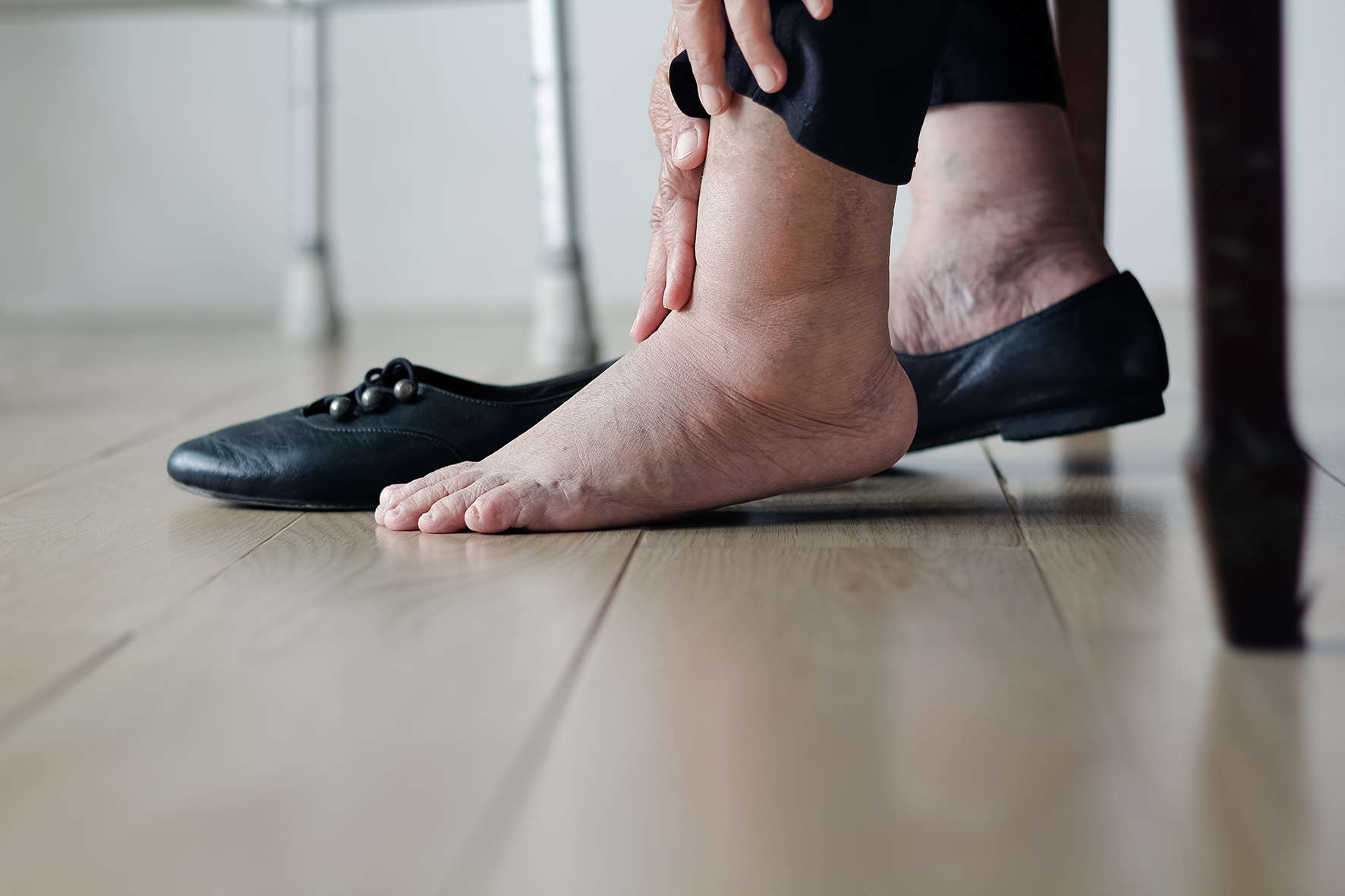
- Swelling in the legs, ankles, or feet
- Fatigue or low energy
- Varicose veins
- Slow-healing wounds or ulcers
- Muscle cramps, especially in the legs
How Poor Circulation Affects Your Body From Head to Toe
Poor circulation does not just affect your limbs—it can impact nearly every system in your body:
- Brain: Reduced blood flow to the brain can cause dizziness, headaches, memory problems, and difficulty concentrating.
- Heart: The heart must work harder to pump blood through restricted arteries, increasing the risk of heart disease or heart attack.
- Skin: Inadequate circulation can make your skin pale, cold, or prone to slow-healing wounds.
- Digestive System: Poor blood flow can interfere with digestion and nutrient absorption.
- Extremities: Numbness, tingling, or a burning sensation in your hands and feet are common warning signs.
Risk Factors for Poor Circulation
Certain factors increase your likelihood of developing circulation issues:
- Age – Blood vessels naturally stiffen over time, reducing flow efficiency.
- Family History – Genetics can influence the health of your cardiovascular system.
- High Cholesterol – Excess cholesterol contributes to artery blockages.
- High Blood Pressure – Puts extra strain on blood vessels.
- Diabetes – Damages blood vessels and nerves, worsening circulation.
- Lifestyle Factors – Smoking, lack of exercise, and poor diet all contribute.
Diagnosis and Medical Treatments
If you suspect poor circulation, it is essential to see a healthcare professional for diagnosis. Common tests include:
- Blood Tests: Check for cholesterol, blood sugar, and clotting issues.
- Doppler Ultrasound: Measures blood flow in your arteries and veins.
- Angiography: Uses imaging to visualize blockages in blood vessels.
Treatment options depend on the cause and severity of poor circulation. They may include:
- Medications to reduce blood clots, lower cholesterol, or manage blood pressure.
- Procedures such as angioplasty to open blocked arteries.
- Lifestyle interventions like regular exercise, weight management, and quitting smoking.
Natural Ways to Improve Circulation
Even minor lifestyle changes can significantly boost circulation. Consider these strategies:
- Exercise Regularly: Walking, swimming, and yoga stimulate blood flow.
- Eat a Heart-Healthy Diet: Focus on fruits, vegetables, lean proteins, and whole grains.
- Stay Hydrated: Proper hydration improves blood viscosity and flow.
- Massage and Stretching: Stimulate circulation in muscles and joints.
- Elevate Your Legs: Helps blood return to the heart and reduces swelling.
- Avoid Long Periods of Sitting: Move every hour to maintain healthy circulation.
When to Seek Medical Help
Poor circulation can lead to serious complications, including heart attack, stroke, and peripheral artery disease. Seek immediate medical attention if you experience:
- Sudden numbness or weakness in the limbs
- Severe chest pain or pressure
- Shortness of breath
- Non-healing wounds or infections on your extremities
Conclusion
Poor circulation is more than just cold hands and feet—it’s a warning sign that your cardiovascular system needs attention. By understanding the causes, recognizing the symptoms, and taking proactive steps to improve blood flow, you can protect your health from head to toe. Regular checkups, healthy lifestyle habits, and prompt medical treatment are key to keeping your circulation strong and your body functioning at its best.