

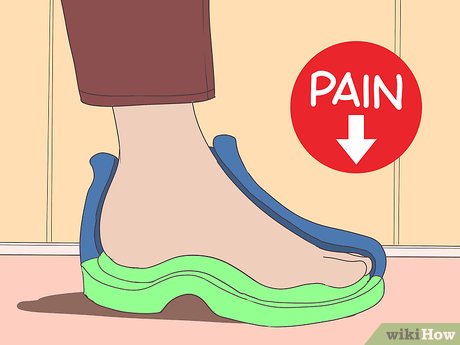
Sore feet are a common complaint that can affect anyone, from office workers to athletes, parents, and frequent travelers. Foot pain can range from mild discomfort after a long day to chronic conditions that interfere with your daily activities. The good news is that with proper self-care, most foot pain can be managed effectively without expensive treatments or invasive procedures.
This article explores practical, evidence-based tips for relieving sore feet, improving comfort, and supporting overall foot health.
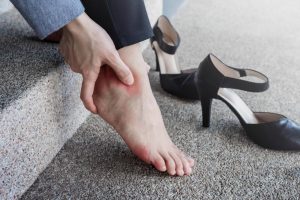
Before implementing self-care strategies, it’s important to understand the causes of foot pain. Feet are complex structures composed of bones, joints, ligaments, tendons, and muscles that bear the weight of the body. Continuous stress or improper care can lead to discomfort.
Some frequent contributors to foot pain include:
Prolonged standing or walking
Ill-fitting or unsupportive footwear
Flat feet or high arches
Bunions, corns, and calluses
Arthritis or joint inflammation
Overuse injuries from sports or physical activity
Identifying the underlying cause helps target self-care techniques more effectively.
One of the most effective ways to relieve sore feet is by wearing shoes that provide adequate support and cushioning.
Good shoes should offer:
Proper arch support tailored to your foot type
Cushioned soles to absorb impact
A wide toe box to reduce crowding and pressure
Stable heel support for balance
Breathable materials to prevent moisture buildup
Avoid shoes that are too tight, high heels, or worn-out footwear that compromises support.
Wearing the same shoes every day can create uneven stress on your feet. Rotating between pairs with different cushioning and support can reduce soreness.
Regular stretching improves flexibility, circulation, and foot function, making it a key component of self-care for sore feet.
Effective stretches include:
Calf stretches: Stand facing a wall with one foot back and heel on the floor; lean forward to stretch the calf.
Plantar fascia stretch: Sit and pull your toes gently toward your shin to stretch the arch.
Toe stretches: Spread, wiggle, and gently pull your toes to reduce stiffness.
Perform these stretches in the morning, after long periods of standing, or post-activity for best results.
Simple exercises improve joint mobility:
Ankle circles: Rotate ankles clockwise and counterclockwise.
Toe curls with a towel: Scrunch a small towel using your toes to strengthen foot muscles.
Heel raises: Lift heels off the floor while standing to strengthen calves and arches.
Consistency in these exercises reduces tension and prevents further soreness.
Several natural methods can relieve sore feet and promote recovery.
Applying ice for 10–15 minutes helps reduce inflammation and relieve soreness, particularly after long periods of activity or standing.
Soaking feet in warm water with Epsom salts relaxes muscles, eases tension, and reduces swelling. Alternating between warm and cold water can improve circulation.
Foot massage improves blood flow and reduces tension. Rolling a tennis ball, foam roller, or frozen water bottle under the foot can target arches and heels for extra relief.
Adding support to your shoes can prevent foot pain from recurring.
Over-the-counter insoles: Provide additional cushioning and arch support for mild discomfort.
Custom orthotics: Designed by a podiatrist for severe or persistent pain, addressing alignment and structural issues.
Place insoles in your everyday shoes and replace them regularly. Insoles are most effective when combined with stretching and footwear that fits correctly.
Proper hygiene can prevent irritation, infections, and pain caused by dry or damaged skin.
Wash feet daily with mild soap and dry thoroughly, especially between the toes, to prevent fungal infections and skin irritation.
Apply moisturizer to prevent cracks and dryness. Daily inspection helps catch issues like calluses, bunions, or swelling early, preventing them from worsening.
Foot pain is often influenced by overall health and habits.
Excess body weight increases pressure on the feet, exacerbating soreness. Maintaining a healthy weight can reduce chronic stress on foot structures.
Engage in low-impact activities like swimming, cycling, or yoga to strengthen feet and legs without overloading them. Regular activity supports circulation and reduces stiffness.
Proper standing and walking posture reduces strain on the feet. Distribute weight evenly and avoid locking knees to maintain comfort throughout the day.
Pay attention to pain signals. Ignoring discomfort can lead to more serious conditions that may require medical intervention.
Consult a podiatrist or healthcare provider if you notice:
Persistent or worsening pain
Swelling, redness, or warmth
Numbness or tingling
Difficulty walking or standing
Early intervention can prevent complications and keep feet healthy for the long term.
Sore feet don’t have to disrupt your life. By practicing daily self-care habits—including supportive footwear, stretching, strengthening, massage, and proper hygiene—you can reduce pain, improve mobility, and maintain comfort throughout the day.
Consistency is essential: small, daily actions accumulate into significant improvements in foot health. Healthy feet make every step easier, more comfortable, and more enjoyable.