

Joint pain is a widespread issue that can affect people at any stage of life. Whether it shows up as stiffness in the morning, discomfort during movement, or lingering aches throughout the day, joint pain can impact daily routines and overall quality of life. Understanding joint pain—its symptoms, different types, and when to take action—can help you better manage discomfort and protect your long-term joint health. This guide breaks down joint pain in a clear, practical way to help you recognize what your body may be telling you.
Joint pain refers to discomfort, soreness, stiffness, or inflammation in the areas where two bones meet. Commonly affected joints include the knees, hips, shoulders, elbows, wrists, fingers, ankles, and spine. Joints are designed to support movement and flexibility, so when pain develops, even simple tasks like walking, writing, or lifting objects can become challenging.
Joint pain can be temporary or long-lasting. Some people experience mild symptoms that improve with rest, while others may have ongoing pain that gradually worsens over time. Understanding the nature of your joint pain is an important first step toward addressing it.
Joint pain symptoms can vary depending on the cause, severity, and duration. Some symptoms appear suddenly, while others develop slowly.
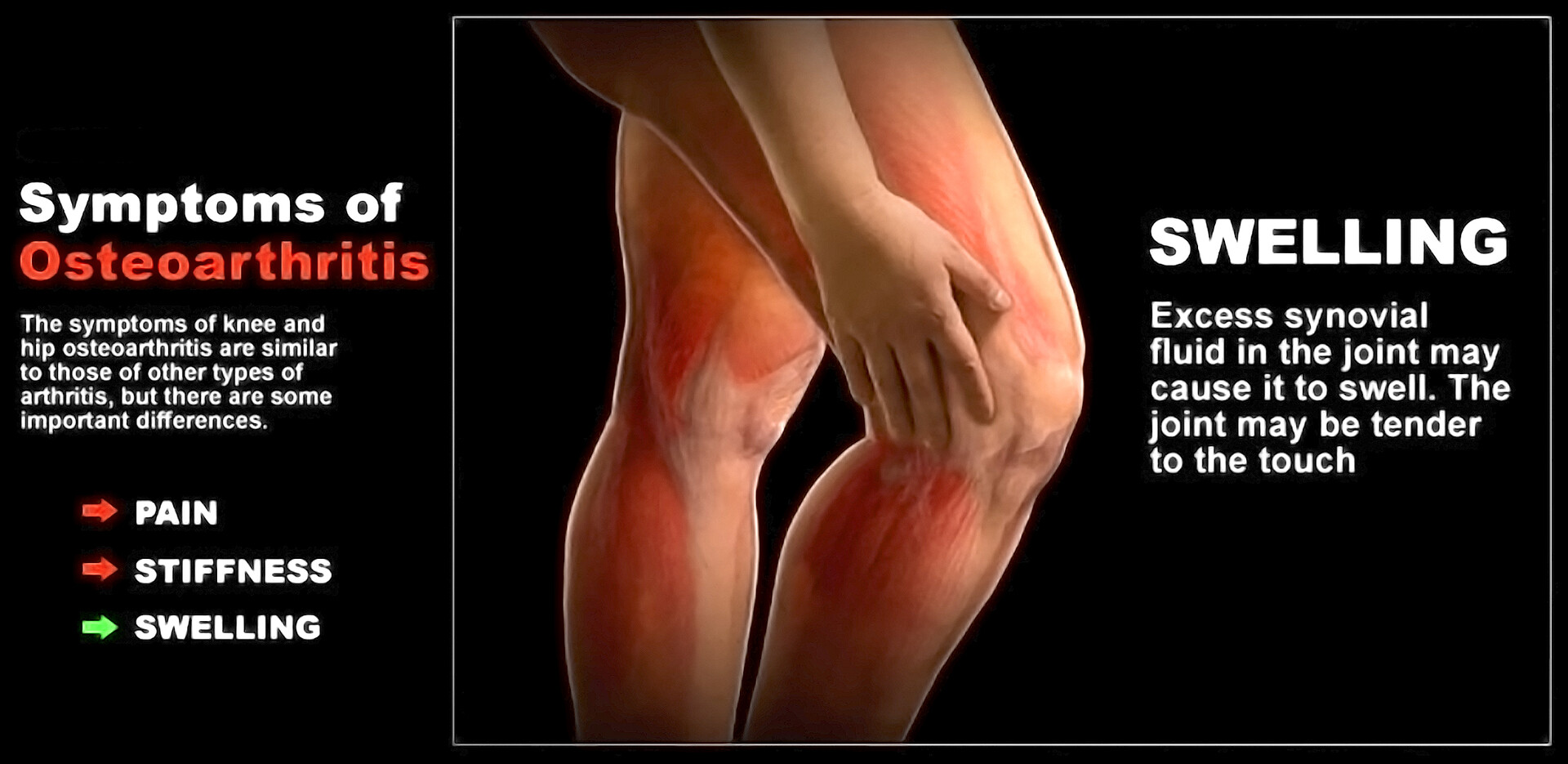
Stiffness is one of the most common joint pain symptoms. It often occurs after long periods of rest, such as waking up in the morning or sitting for extended periods. Stiff joints may loosen with gentle movement but can return if activity stops.
Swelling happens when fluid builds up around a joint. This may make the joint appear larger than usual and feel tight or uncomfortable. Swelling can limit movement and may be accompanied by warmth or tenderness.
Joint pain can make it difficult to move a joint fully. You may notice trouble bending, straightening, or rotating certain joints, which can affect daily activities and physical performance.
Some joint pain feels like a dull ache, while other pain may be sharp or sudden, especially during movement or weight-bearing activities. The type of pain can offer clues about what may be causing it.
Joint pain is not a single condition. There are several types, each with different causes and characteristics.
Mechanical joint pain is often linked to movement and physical stress. It may worsen with activity and improve with rest. This type of pain is commonly associated with overuse, poor posture, or joint wear over time.
Inflammatory joint pain is caused by inflammation in the joint tissues. It may be more noticeable in the morning or after rest and can improve with gentle movement. Inflammatory joint pain is often associated with swelling, warmth, and stiffness.
Acute joint pain develops suddenly and is usually short-term. It may result from injury, strain, or temporary inflammation. With proper care and rest, acute joint pain often improves within days or weeks.
Chronic joint pain lasts for several weeks or longer. It may be constant or come and go over time. Chronic pain can gradually affect mobility, strength, and daily comfort if not properly managed.
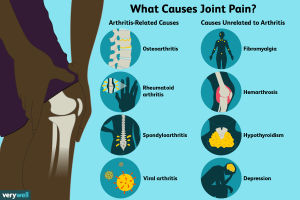
Joint pain can have many causes, ranging from physical activity to underlying health conditions.
Sprains, strains, and repeated stress on a joint can damage surrounding tissues. Overuse injuries are common in sports, repetitive tasks, and activities that place continuous pressure on specific joints.
Arthritis is one of the most common causes of joint pain. It involves inflammation or degeneration of the joint and can affect one or multiple joints. Symptoms often develop gradually and may worsen over time.
Joint pain can also occur during periods of growth, especially in teenagers. As bones grow quickly, muscles and tendons may feel tight, leading to temporary joint discomfort during activity.
Sedentary habits, poor posture, lack of movement, or improper exercise techniques can all contribute to joint pain. Daily routines play a significant role in joint health.
Not all joint pain is a sign of a serious problem. Temporary joint discomfort can occur after physical activity, long periods of sitting, or minor strain. In these cases, symptoms often improve with rest, gentle movement, and time.
Mild joint pain that does not interfere with daily activities and resolves on its own is usually considered part of the body’s normal response to stress or exertion.
Knowing when to take joint pain seriously is important for preventing further discomfort or damage.
If joint pain lasts longer than a few weeks or continues to return, it may be time to take action. Ongoing pain should not be ignored, especially if it affects daily routines.
Pain that becomes more intense over time or spreads to other joints may signal an underlying issue that needs attention.
Difficulty moving a joint, performing normal activities, or maintaining balance may indicate that the joint needs extra care or evaluation.
Noticeable swelling, changes in joint shape, or ongoing stiffness are signs that should be monitored closely.
Supporting your joints does not require extreme measures. Simple habits can help reduce discomfort and improve joint function.
Regular, low-impact movement helps maintain flexibility and joint strength. Activities such as walking, stretching, and gentle exercise support joint health without excessive strain.
Using correct posture and movement techniques during daily tasks and exercise can reduce unnecessary joint stress.
Rest is essential for joint recovery. Balancing activity with adequate rest helps prevent overuse and strain.
Healthy sleep habits, hydration, and balanced nutrition all play a role in joint comfort and long-term mobility.
Joint pain is a common experience with many possible symptoms and causes. By understanding the types of joint pain, recognizing early warning signs, and knowing when to act, you can take meaningful steps toward protecting your joint health. Paying attention to your body and making supportive lifestyle choices can help keep your joints functioning well and support comfort in everyday life.