
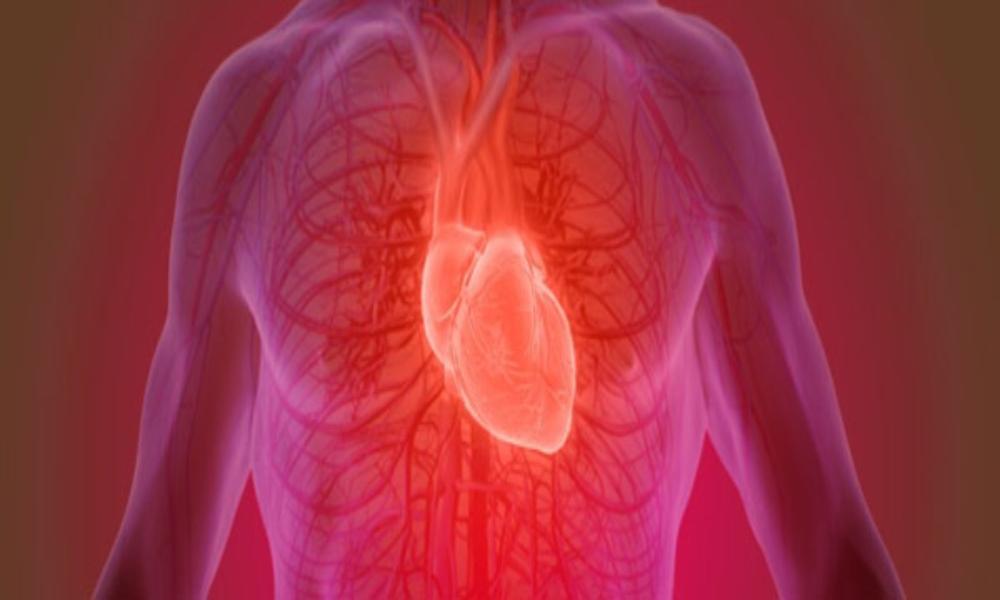
Poor blood circulation is a common yet often overlooked health issue that can affect anyone, regardless of age. It occurs when blood flow through the arteries and veins is restricted or slowed, preventing the body from receiving the oxygen and nutrients it needs. Understanding the causes, symptoms, and potential risks of poor blood circulation is crucial for maintaining overall health and preventing serious complications.
Blood circulation is the process by which blood flows through the heart, arteries, veins, and capillaries, delivering oxygen and nutrients to tissues and removing waste products. When circulation is poor, certain areas of the body—often the hands, feet, and legs—do not get enough blood, leading to discomfort, numbness, and long-term health issues. Poor circulation can result from lifestyle factors, medical conditions, or a combination of both.
A diet high in saturated fats, sugar, and processed foods can contribute to plaque buildup in the arteries, known as atherosclerosis. Excess weight adds pressure on blood vessels, making it harder for blood to flow efficiently. Maintaining a balanced diet rich in vegetables, fruits, whole grains, and lean proteins can improve circulation and overall cardiovascular health.
Physical inactivity weakens the heart and blood vessels over time, reducing circulation efficiency. Sitting or standing for prolonged periods can cause blood to pool in the lower extremities, leading to swelling, varicose veins, and fatigue. Regular exercise, such as walking, swimming, or cycling, stimulates blood flow and strengthens the cardiovascular system.
Smoking damages the lining of blood vessels, increases blood pressure, and reduces oxygen in the blood. Similarly, heavy alcohol consumption can interfere with circulation and weaken the heart. Quitting smoking and moderating alcohol intake are essential steps to prevent and improve poor blood circulation.
Several medical conditions can contribute to poor blood circulation, including:
As we age, arteries naturally become less flexible, and circulation can decrease. Family history of heart disease or vascular problems also increases the risk of developing poor blood circulation.
One of the most noticeable signs of poor circulation is consistently cold extremities. When blood flow is restricted, the body prioritizes sending oxygen to vital organs, leaving hands and feet feeling cold or numb.
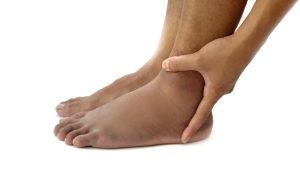
Poor circulation often leads to fluid buildup in the lower extremities. Swelling, also known as edema, can cause discomfort, stiffness, and difficulty walking.
Insufficient blood flow can cause a pins-and-needles sensation, numbness, or tingling in the arms, hands, legs, or feet. This occurs when nerves do not receive enough oxygen and nutrients.
When tissues and organs receive less oxygen due to poor circulation, overall energy levels decrease, leading to chronic fatigue and weakness.
Poor blood flow reduces the body’s ability to repair itself, meaning cuts, bruises, and other injuries may heal more slowly. This is particularly concerning for people with diabetes or heart disease.
Poor circulation is closely linked to heart disease, including heart attacks and strokes. Reduced blood flow can lead to plaque buildup in arteries, high blood pressure, and other complications that compromise heart health.
PAD is a condition where narrowed arteries restrict blood flow to the limbs, causing pain, numbness, and mobility issues. If left untreated, it can lead to tissue damage and, in severe cases, amputation.
Slow or restricted circulation increases the risk of blood clots forming in veins, especially in the legs. Blood clots can be life-threatening if they travel to the lungs (pulmonary embolism) or brain (stroke).
Chronic poor circulation can deprive organs of oxygen and nutrients, potentially causing long-term damage to the kidneys, liver, and brain.
Engaging in cardiovascular exercises like walking, jogging, or swimming improves blood flow, strengthens the heart, and reduces the risk of circulation-related conditions.
Eating foods rich in omega-3 fatty acids, antioxidants, and fiber supports vascular health. Examples include fish, nuts, seeds, berries, and leafy green vegetables.
Drinking enough water keeps blood less viscous, allowing it to flow more freely through the veins and arteries.
Eliminating smoking and reducing alcohol consumption helps protect blood vessels and improves overall circulation.
Wearing compression socks or elevating the legs can help prevent blood pooling and reduce swelling, particularly for individuals who sit or stand for long periods.
If you notice persistent cold hands and feet, swelling, numbness, or slow-healing wounds, it’s important to consult a healthcare professional. Early detection of circulation problems can prevent serious complications such as heart disease, blood clots, or organ damage.
Poor blood circulation is a serious health issue that affects many people worldwide. Understanding its causes, recognizing the symptoms, and taking proactive measures to improve blood flow can significantly enhance your overall health and quality of life. Lifestyle changes, regular exercise, a healthy diet, and medical intervention when necessary are key strategies to prevent the risks associated with poor circulation.