


Joint pain is a common issue that affects people of all ages, not just older adults. From mild stiffness to ongoing discomfort, joint pain can interfere with daily activities like walking, writing, exercising, or even sleeping. Understanding what causes joint pain is the first step toward managing it effectively and protecting your long-term joint health. This simple, everyday guide explains the most common causes of joint pain, how lifestyle factors play a role, and when it may be time to seek professional advice. What Causes Joint Pain? A Simple Guide for Everyday Life
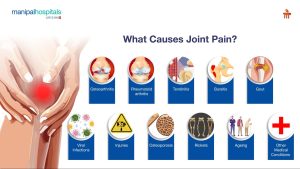
Joint pain refers to discomfort, soreness, stiffness, or inflammation in one or more joints in the body. Joints are the areas where two bones meet, such as the knees, hips, shoulders, elbows, wrists, and fingers. They allow movement and flexibility, making them essential for everyday motion.
Joint pain can be temporary or long-lasting. Some people experience joint pain occasionally after physical activity, while others deal with chronic joint pain that lasts weeks or months. The severity can range from mild aches to pain that limits movement.
There is no single cause of joint pain. In many cases, it results from a combination of physical, lifestyle, and health-related factors.
One of the most common causes of joint pain is injury. Sprains, strains, and impact injuries can damage ligaments, tendons, or cartilage around the joint. Overuse injuries are also common, especially in people who repeat the same movements often, such as athletes, musicians, or students who spend long hours typing or writing.
Even small injuries that are ignored can lead to ongoing joint pain if the joint does not have enough time to heal properly.
Inflammation is the body’s natural response to injury or irritation, but ongoing inflammation can cause pain and stiffness in the joints. Inflammatory conditions can make joints feel warm, swollen, and sore, especially in the morning or after long periods of rest.
Arthritis is one of the most well-known causes of joint pain. There are different types of arthritis, but they all involve joint inflammation and discomfort. Osteoarthritis occurs when the protective cartilage in joints wears down over time. Other forms involve the immune system mistakenly attacking healthy joint tissue.
Arthritis-related joint pain often develops gradually and may worsen with age or repeated stress on the joints.
Joint pain is not limited to adults. Teenagers and growing bodies can also experience joint pain, especially during growth spurts. As bones grow quickly, muscles and tendons may feel tight, leading to temporary joint discomfort. Physical activity during this stage can sometimes increase soreness, especially if warm-ups and rest are skipped.
Daily habits play a major role in joint health. Small choices made every day can either support or strain the joints over time.
Movement helps keep joints flexible and lubricated. When the body is inactive for long periods, joints can become stiff and uncomfortable. Sitting for extended hours, especially with poor posture, may increase joint pain in the hips, knees, neck, and shoulders.
Posture affects how weight and pressure are distributed across joints. Slouching, hunching over screens, or carrying heavy backpacks incorrectly can put extra stress on certain joints. Over time, this strain may lead to pain and reduced mobility.
While movement is important, too much exercise or improper technique can cause joint pain. Skipping warm-ups, using incorrect form, or pushing through pain may increase the risk of joint stress or injury.
Joints such as the knees, hips, and ankles carry much of the body’s weight. Extra weight can increase pressure on these joints, leading to discomfort over time. Maintaining a healthy balance through movement and nutrition can support joint comfort.
Some joint pain is connected to underlying health conditions that affect the body beyond the joints themselves.
Certain conditions cause the immune system to attack healthy tissues, including joints. This can lead to pain, swelling, and stiffness that may come and go or persist over time.
In some cases, infections can cause joint pain, either directly or as a reaction from the immune system. Joint pain linked to illness is often temporary but should be monitored if it lasts.
The body relies on nutrients to maintain healthy joints, cartilage, and bones. A lack of certain nutrients may contribute to joint discomfort or stiffness. Staying hydrated also plays a role in joint lubrication and overall mobility.
Not all joint pain is a cause for concern. Temporary joint pain often results from physical activity, minor injuries, or short-term inflammation and usually improves with rest and care.
Ongoing joint pain, especially if it lasts longer than a few weeks, becomes more intense, or limits daily activities, may need further attention. Persistent pain can be a sign that the joint needs support, rest, or professional evaluation.
Supporting joint health does not require drastic changes. Small, consistent habits can make a meaningful difference over time.
Low-impact activities such as walking, stretching, and light movement help keep joints flexible without excessive strain.
Sitting and standing with proper alignment reduces unnecessary pressure on joints, especially in the spine, hips, and shoulders.
Pain is a signal. Resting when needed and avoiding pushing through discomfort can help prevent further joint issues.
Adequate sleep, hydration, and balanced nutrition all contribute to overall joint comfort and mobility.
Joint pain is a common experience that can have many causes, from everyday habits to physical changes and health conditions. By understanding what causes joint pain, you can make informed choices that support your joints throughout daily life. Paying attention to movement, posture, and overall well-being can go a long way in keeping your joints comfortable, flexible, and ready for the activities you enjoy. What Causes Joint Pain? A Simple Guide for Everyday Life