

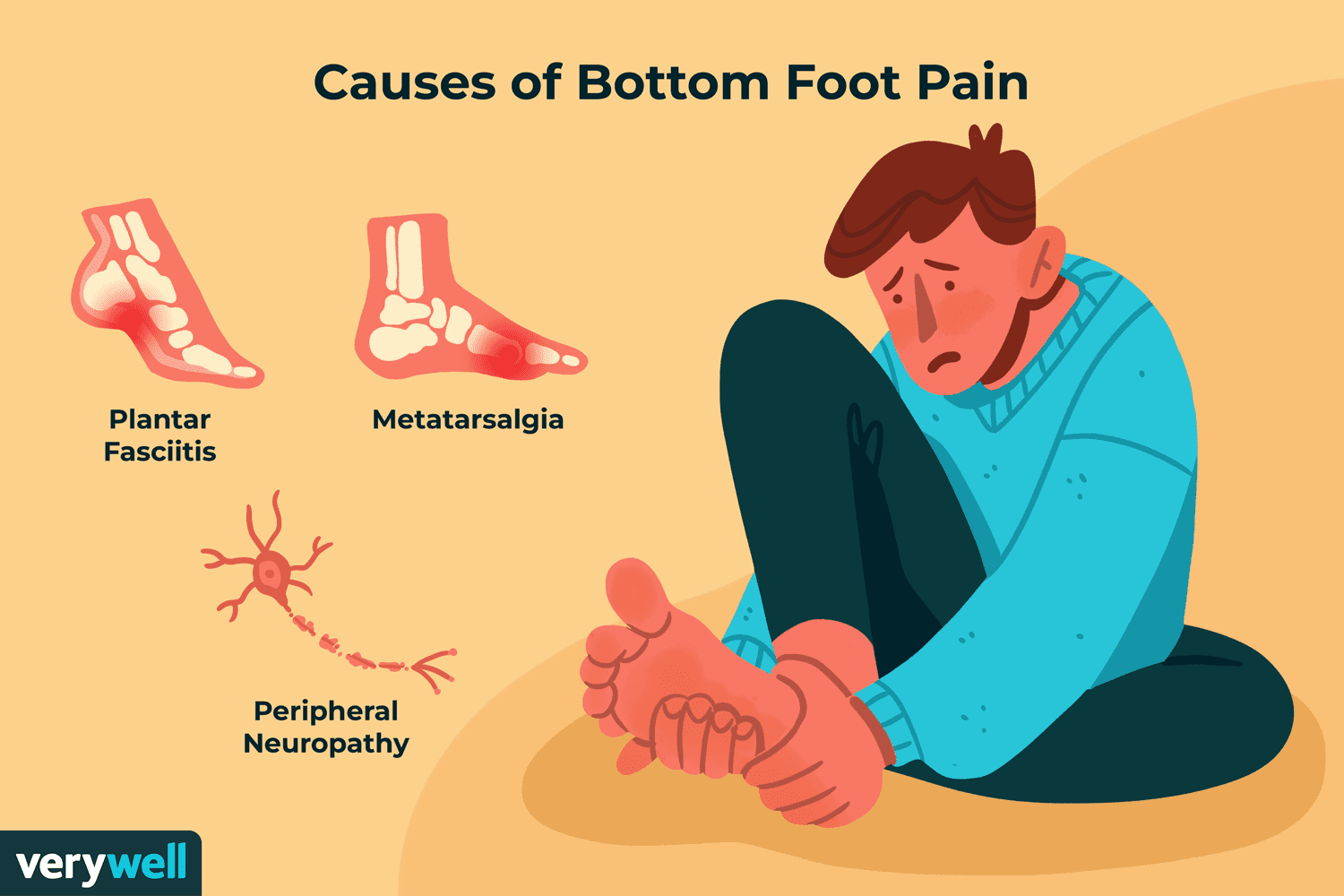
Foot pain is one of the most common physical complaints, affecting millions of people every day. Because your feet support your entire body and absorb impact with each step, it’s no surprise that they can become painful when something goes wrong. Whether the discomfort is sharp, dull, constant, or intermittent, understanding the underlying cause is the first step toward effective relief. In this comprehensive guide, we explain the 10 most common causes of foot pain, their symptoms, and what you can do to treat and prevent them. Why Do My Feet Hurt? 10 Common Causes of Foot Pain Explained
Plantar fasciitis is inflammation of the plantar fascia—the thick band of tissue that supports the arch of your foot. Why Do My Feet Hurt? 10 Common Causes of Foot Pain Explained
– Sharp heel pain, especially in the morning – Pain after long periods of rest – Tenderness along the arch

Overuse, poor footwear, tight calves, or high-impact activities can strain the fascia and cause microtears.
Flat feet occur when the arch collapses, causing the entire sole to touch the ground.
– Aching arches – Ankle fatigue – Overpronation while walking
Genetics, aging, obesity, and weak tendons can all contribute to fallen arches and chronic foot pain.
Metatarsalgia is pain and inflammation in the ball of the foot, often caused by excess pressure on the metatarsal bones.
– Burning pain in the ball of the foot – Tingling or numbness in toes – Pain that worsens with activity
High-impact exercise, ill-fitting shoes, high arches, or a long second toe can overload the forefoot.
Heel spurs are bony growths that form on the heel bone, often associated with chronic plantar fasciitis.
– Stabbing heel pain – Pain while standing or walking – Localized tenderness
Repetitive stress on the heel leads to calcium buildup and spur formation.
A bunion is a bony bump that forms at the base of the big toe, causing the joint to shift outward.
– Big toe joint pain – Swelling and redness – Difficulty wearing tight shoes
Genetics, improper footwear, and foot structure problems cause joint misalignment and bunion development.
Achilles tendonitis is inflammation of the tendon connecting the calf muscles to the heel bone.
– Pain along the back of the ankle – Stiffness in the morning – Swelling near the heel
Overuse, tight calves, sudden increases in activity, and worn-out shoes are typical causes.
Neuropathy refers to nerve damage that leads to foot pain, numbness, or tingling sensations.
– Burning or electric pain – Loss of sensation – Tingling in the toes
Diabetes, vitamin deficiencies, alcohol use, and nerve injury commonly contribute to neuropathy.
Morton’s neuroma is a painful thickening of nerve tissue between the toes, often between the third and fourth toes.
– Sharp, shooting pain in the ball of the foot – A feeling like stepping on a pebble – Tingling or burning sensations
Tight shoes, high heels, repetitive stress, or foot deformities can compress the nerve.
Arthritis causes inflammation and stiffness in the joints of the foot and ankle.
– Joint pain – Swelling and stiffness – Reduced mobility
Osteoarthritis from wear and tear, rheumatoid arthritis, and post-injury joint damage can all affect foot joints.
Stress fractures are tiny cracks in the bones, usually caused by repetitive impact.
– Localized sharp pain – Pain that worsens with activity and improves with rest – Swelling or tenderness
Running, jumping, poor bone density, or improper footwear may lead to small fractures in foot bones.
While some foot pain can be relieved at home, you should seek professional evaluation if you experience:
Persistent pain lasting more than two weeks
Severe swelling or bruising
Difficulty walking or bearing weight
Numbness or burning sensations
Pain after an injury or fall
A podiatrist can diagnose the exact cause of your pain and recommend the best treatment plan.
Switching to shoes with arch support, cushioning, and stability can significantly reduce pain.
Custom or over-the-counter orthotics help correct alignment and relieve pressure on painful areas.
Exercises for the calves, arches, and toes improve mobility and reduce strain.
Ice packs and NSAIDs help reduce swelling and acute pain.
Therapists offer targeted treatments, gait analysis, and strengthening programs.
Reducing high-impact exercise and switching to low-impact activities may give your feet time to heal.
Choose supportive shoes matched to your activity and foot type.
Less weight means less strain on your feet during movement.
Stretch your calves, arches, and hamstrings before strenuous activities.
Shoes lose support over time—keep them updated to protect your feet.
Foot pain can stem from many sources, but understanding the most common causes can help you take action early. Whether your pain comes from plantar fasciitis, flat feet, nerve issues, or overuse, most conditions can be managed with proper care, footwear, and habits. By paying attention to your symptoms and taking preventative steps, you can keep your feet healthy, functional, and pain-free for the long term. Why Do My Feet Hurt? 10 Common Causes of Foot Pain Explained