

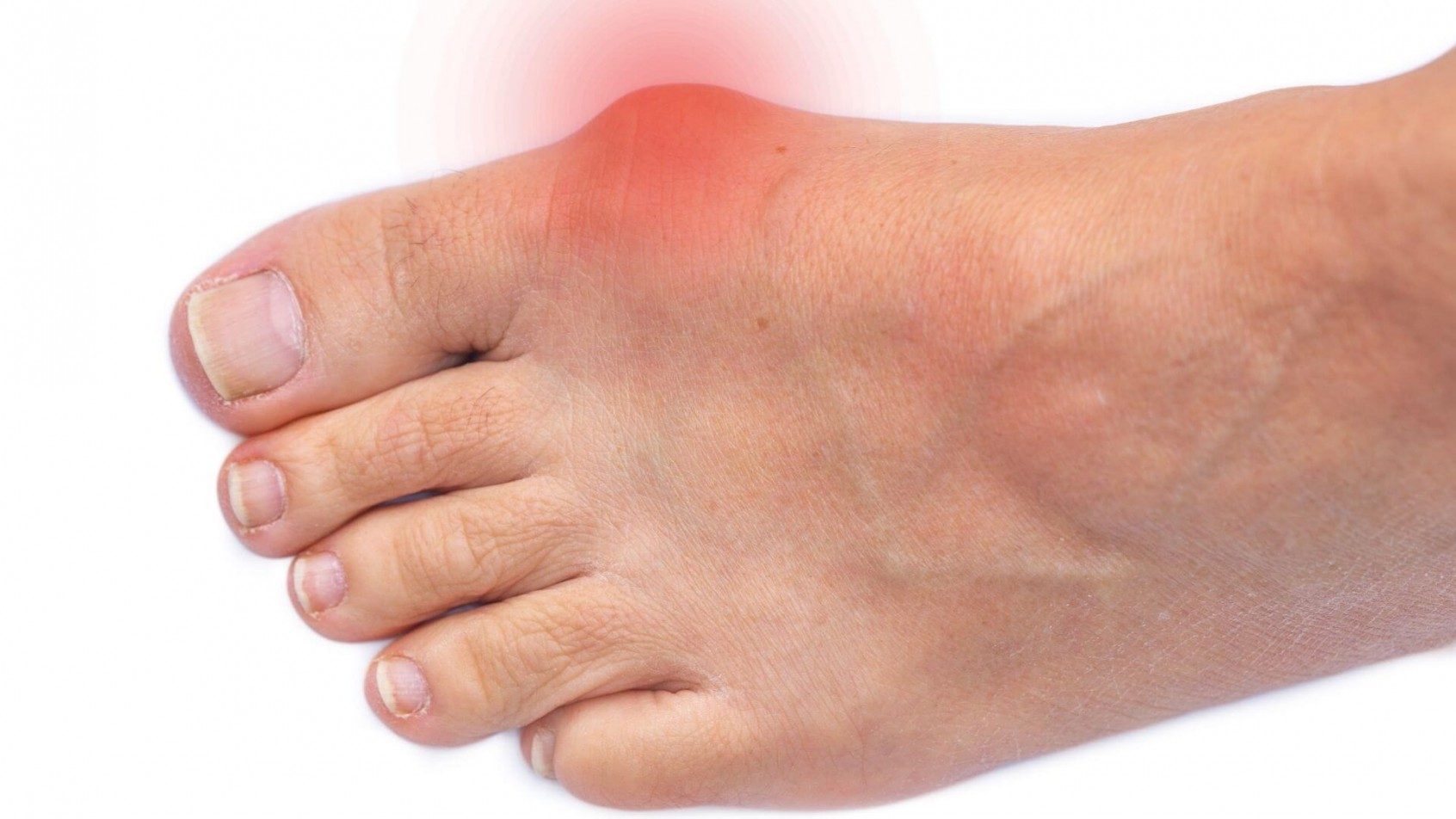
Foot pain is a common issue that can significantly affect mobility, daily activities, and quality of life. Structural conditions like flat feet, bunions, and high arches are often the culprits. Understanding the causes of foot pain associated with these conditions and knowing effective treatment strategies can help alleviate discomfort and prevent long-term complications. This article provides a detailed guide on recognizing, managing, and treating foot pain related to flat feet, bunions, and high arches.
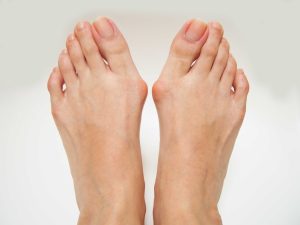
Foot pain is often caused by imbalances in the foot’s structure, which can lead to abnormal pressure distribution, inflammation, and joint stress. Three common structural foot conditions—flat feet, bunions, and high arches—can each create unique challenges.
Flat feet, or fallen arches, occur when the arches of the feet collapse, causing the entire sole to come into contact with the ground. This condition can be congenital or develop over time due to injury, obesity, or aging. Common symptoms include:
Pain or fatigue in the arch or heel
Swelling along the inside of the ankle
Difficulty standing or walking for long periods
Flat feet can affect the alignment of the ankles, knees, and hips, often leading to discomfort in the lower body.
Bunions, medically known as hallux valgus, are bony bumps that form at the base of the big toe. They develop when the big toe pushes against the adjacent toe, causing the joint to protrude outward. Symptoms include:
Pain and tenderness around the joint
Redness and swelling
Difficulty fitting shoes comfortably
Bunions are often hereditary but can be aggravated by ill-fitting footwear, high heels, or prolonged pressure on the toe joint.
High arches, or cavus feet, occur when the foot arch is abnormally elevated. High arches can cause uneven weight distribution, increasing pressure on the heel and ball of the foot. Symptoms include:
Heel pain and ball-of-foot discomfort
Frequent ankle sprains
Calluses on the heel or ball of the foot
High arches may be inherited or result from neurological or muscular conditions.
Treatment strategies depend on the underlying condition, severity, and individual lifestyle. However, common approaches aim to relieve pain, correct alignment, and prevent further complications.
Proper footwear is critical for managing foot pain from structural conditions. Look for shoes that provide:
Arch support and cushioning for flat feet
Wide toe boxes to reduce bunion pressure
Shock absorption for high arches
Avoid high heels, narrow shoes, or worn-out soles that worsen misalignment and discomfort.
Custom or over-the-counter orthotics can redistribute pressure, support arches, and improve foot alignment. For example:
Flat feet: Arch-supporting insoles reduce strain on the plantar fascia and improve posture
Bunions: Cushioned pads or bunion splints relieve pressure on the big toe joint
High arches: Cushioned insoles absorb shock and provide stability
A podiatrist can recommend the most suitable orthotics based on your foot structure.
Regular exercises can strengthen foot muscles, improve flexibility, and reduce pain. Effective exercises include:
For flat feet: Heel raises and arch lifts strengthen the intrinsic foot muscles
For bunions: Toe stretches and spreading exercises reduce joint stiffness
For high arches: Calf stretches and plantar fascia stretches improve flexibility and relieve pressure
These exercises also help prevent future foot injuries and improve overall foot function.
A licensed physical therapist can provide personalized treatment plans for structural foot conditions. Therapy may include:
Manual therapy to improve joint mobility
Targeted strengthening routines
Gait training to correct abnormal walking patterns
Consistent physical therapy can help alleviate chronic foot pain and restore mobility.
For short-term relief, over-the-counter pain medications like NSAIDs (ibuprofen or naproxen) can reduce inflammation and soreness. Ice therapy can also help manage swelling, particularly for bunions or painful arches after activity.
Surgery is usually considered when conservative treatments fail or when the deformity causes significant pain or mobility issues. Common procedures include:
Flat feet: Tendon transfers or osteotomies to restore arch support
Bunions: Bunionectomy to realign the big toe joint
High arches: Corrective surgery to reduce excessive curvature and improve weight distribution
Post-surgery rehabilitation is essential for full recovery and long-term pain relief.
Prevention is key to managing foot pain and avoiding worsening deformities. Implementing daily habits and lifestyle changes can reduce stress on your feet.
Excess body weight increases pressure on arches, toes, and joints, worsening foot pain. Maintaining a healthy weight helps minimize strain and supports long-term foot health.
Select shoes with proper arch support, cushioning, and room for toes. Rotate footwear to prevent repetitive stress and avoid high heels or shoes with narrow toe boxes.
Strengthening and stretching exercises for the feet, calves, and lower legs help maintain flexibility, balance, and alignment. Incorporate foot mobility exercises into your daily routine to reduce the risk of pain.
Early intervention can prevent severe complications. Regularly check your feet for swelling, redness, bunion progression, or calluses. Consult a podiatrist if you notice persistent discomfort.
While mild foot pain can often be managed at home, see a podiatrist if you experience:
Persistent or worsening pain
Significant deformity or bunion growth
Swelling, redness, or warmth in the joints
Difficulty walking or standing for long periods
Early evaluation ensures appropriate treatment and prevents long-term foot problems.
Foot pain from flat feet, bunions, and high arches can significantly impact daily life, but effective management strategies exist. Supportive footwear, orthotics, stretching and strengthening exercises, physical therapy, and, when necessary, surgery can provide relief and improve foot function. By taking proactive steps and seeking professional care when needed, you can reduce pain, prevent future complications, and maintain an active, healthy lifestyle.