

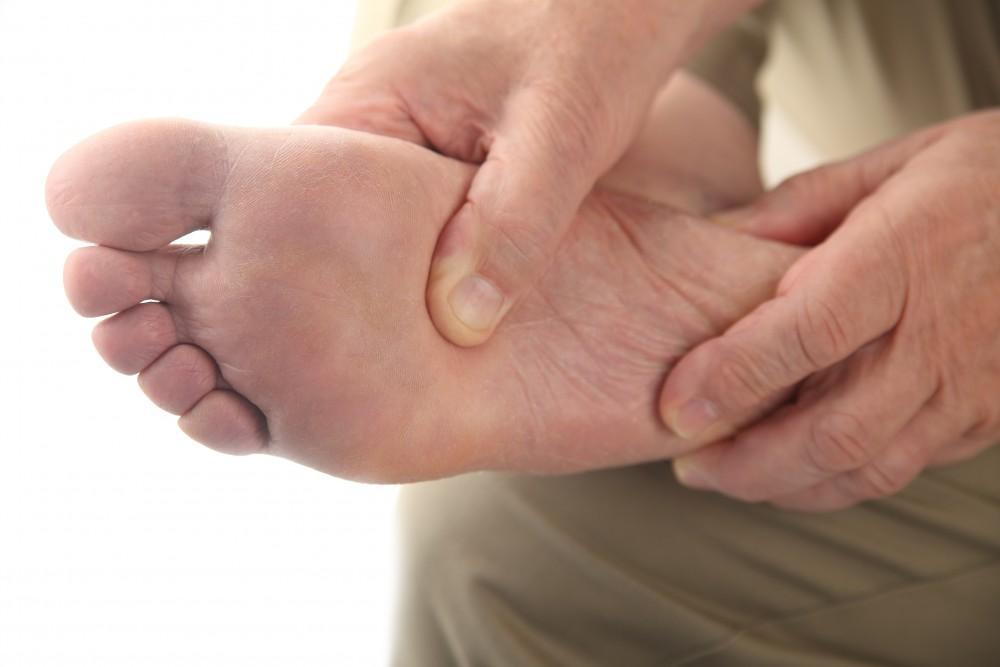
Foot pain is a common problem that can affect anyone, from athletes to office workers. While over-the-counter medications may provide temporary relief, many people prefer natural or non-medicated solutions to avoid side effects. Fortunately, there are effective ways to treat foot pain without medication that target the root causes, relieve discomfort, and support long-term foot health.
This guide explores practical, natural methods to manage foot pain, including stretches, lifestyle adjustments, and home therapies.
Foot pain can stem from a variety of factors, including:
Plantar fasciitis
Heel spurs
Bunions or hammertoes
Flat feet or high arches
Overuse or prolonged standing
Ill-fitting footwear
Understanding the cause helps determine the best non-medicated approach for relief.
Treating symptoms without correcting underlying issues often leads to recurring pain. Non-medication treatments like stretching, proper footwear, and lifestyle changes can prevent long-term problems and improve mobility.
Tight muscles and ligaments can contribute to chronic foot pain. Stretching improves flexibility, reduces tension, and increases blood flow, which speeds up recovery.
Plantar fascia stretch: Sit down, pull your toes toward your shin, hold 20–30 seconds
Calf stretch: Lean against a wall with one leg extended back
Toe curls: Pick up small objects with your toes to strengthen arches
Ankle rotations: Rotate ankles clockwise and counterclockwise
Perform these exercises daily, especially after long periods of standing or walking.
Foot massage improves circulation, reduces tension, and alleviates soreness. It also helps prevent stiffness and chronic pain.
Roll your foot over a tennis or massage ball
Apply pressure to arches and heels using your thumbs
Use circular motions along the soles for relaxation
Incorporate a 5–10 minute massage into your daily routine to maintain foot comfort.
Soaking feet in warm water relaxes muscles, reduces inflammation, and improves circulation. Adding natural ingredients can enhance the effects.
Epsom salt: Relieves soreness and reduces swelling
Warm water: Improves blood flow
Essential oils: Lavender or peppermint for soothing effects
Soak your feet for 15–20 minutes, one to three times per week, for optimal results.
Ice therapy is ideal for acute pain, inflammation, and swelling. Apply a cold pack for 15 minutes to reduce discomfort.
Heat therapy works best for stiff muscles and chronic tension. Use a warm towel or heating pad for 15–20 minutes to relax the feet.
Always place a cloth between your skin and the heat or ice source
Alternate therapies depending on symptoms
Avoid prolonged exposure to prevent skin irritation
Ill-fitting shoes are a major contributor to chronic foot pain. Proper footwear reduces pressure on arches, heels, and joints.
Look for cushioned soles with arch support
Ensure a wide toe box to prevent crowding
Replace worn-out shoes regularly
Consider orthotics for flat feet, high arches, or plantar fasciitis
Consistently wearing supportive footwear helps prevent pain recurrence.
Daily habits significantly impact foot health. Poor posture, excessive standing, and lack of movement can worsen pain over time.
Alternate between sitting and standing throughout the day
Elevate feet after long periods of activity
Maintain a healthy weight to reduce stress on your feet
Engage in low-impact exercises such as swimming or cycling
These adjustments support recovery and prevent future issues.
Foot pain can be aggravated by dry skin, calluses, and fungal infections. Proper hygiene and moisturization promote comfort and reduce risk.
Wash feet thoroughly with warm water and mild soap
Dry completely, especially between toes
Apply moisturizer to prevent dryness
Inspect feet daily for redness, swelling, or blisters
Healthy feet are less prone to pain and complications.
While non-medicated treatments are effective for many, persistent or severe foot pain may require professional care. Consult a podiatrist if you experience:
Pain lasting more than two weeks
Numbness, tingling, or sharp pain
Swelling or bruising
Difficulty walking or standing
Early intervention prevents chronic conditions and ensures proper healing.
Treating foot pain without medication is entirely possible with consistent care and attention to daily habits. By incorporating stretching, massage, foot soaks, supportive footwear, and lifestyle adjustments, you can reduce pain, improve mobility, and prevent future issues.
Non-medicated treatments not only provide relief but also strengthen the feet and enhance long-term health. Start incorporating these strategies today to enjoy comfortable, pain-free feet without relying on medication.